wild unknown archetypes guidebook pdf
The Wild Unknown Archetypes Guidebook PDF: A Comprehensive Overview
Kim Krans’s guidebook and archetype deck offer a unique path to self-discovery, blending tarot and oracle traditions.
Explore the PDF’s insights, journaling prompts, and card interpretations for a deeper understanding of your inner landscape.
This resource delves into archetypal psychology, shadow work, and the Wild Magic of the subconscious.
The Wild Unknown Archetypes Deck, created by Kim Krans, represents a departure from traditional tarot, functioning more as an oracle designed for profound self-exploration. This deck isn’t about predicting the future, but rather illuminating the present moment and unlocking inner wisdom through universal archetypes.
The PDF guidebook serves as a companion, offering detailed interpretations of each card and guidance on how to connect with the energy they represent. It’s a tool for understanding the core patterns and motivations that shape our lives, drawing heavily from Jungian psychology.
Unlike rigid tarot spreads, the Archetypes Deck encourages intuitive readings and personal reflection. The deck’s structure, with its four suits, provides a framework for exploring different aspects of the self, fostering a deeper connection to one’s authentic nature. It’s a journey into the Wild within.
Kim Krans and the Philosophy Behind the Deck
Kim Krans, the artist and creator of The Wild Unknown Archetypes Deck, approaches spirituality and self-discovery with a unique blend of artistic expression and psychological insight. Her work is deeply rooted in a desire to reconnect individuals with their intuition and inner wisdom.
The deck’s philosophy centers around the idea that we all embody various archetypes – universal patterns of behavior and energy – and recognizing these patterns can unlock profound self-understanding. The PDF guidebook reflects this, offering not prescriptive meanings, but invitations to explore personal resonance.
Krans intentionally moved away from traditional tarot symbolism, opting for a more organic and intuitive visual language. This approach aims to bypass the intellect and speak directly to the subconscious, fostering a deeper, more personal connection with the archetypes presented within the deck.

Understanding Archetypes
The Wild Unknown Archetypes explores universal patterns, drawing from Jungian psychology, to reveal inner selves through the PDF guidebook’s insights.
What are Archetypes? A Jungian Perspective
Carl Jung proposed that archetypes are universal, inherited predispositions to respond to the world in certain ways, residing within the collective unconscious. These aren’t specific memories, but rather innate patterns of behavior and imagery.
The Wild Unknown Archetypes Guidebook PDF utilizes this framework, presenting archetypes – like the Mother, Lover, and Warrior – as fundamental building blocks of the psyche. They manifest in dreams, myths, and personal experiences, offering a lens for self-understanding.
Understanding archetypes isn’t about rigid categorization, but recognizing recurring themes and energies within oneself. The deck and guidebook facilitate this process, prompting introspection and revealing how these primal forces shape our lives and choices, fostering a deeper connection to the self.
The Significance of Archetypes in Self-Discovery
The Wild Unknown Archetypes Guidebook PDF leverages archetypes as powerful tools for personal growth, moving beyond surface-level self-perception. Recognizing the archetypes at play within our lives illuminates hidden motivations and patterns.
By identifying with – or resisting – specific archetypal energies, we gain insight into our strengths, weaknesses, and shadow aspects. This awareness fosters self-compassion and empowers us to make conscious choices aligned with our authentic selves.
The deck isn’t about being an archetype, but understanding the energy it represents and how it influences our behavior. Journaling prompts within the guidebook encourage exploration, leading to profound self-discovery and integration.

Exploring the Deck’s Structure
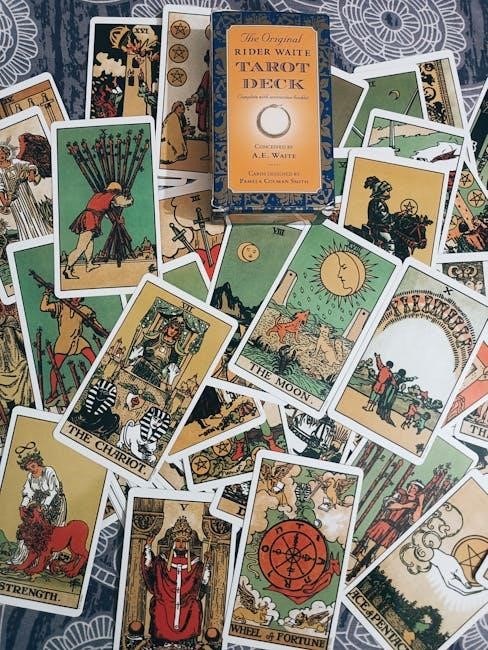
The Wild Unknown Archetypes utilizes four suits representing elements and houses, with visually striking card design and rich symbolism within the PDF.
The Four Suits: Houses, Elements, and Their Meanings
The Wild Unknown Archetypes Deck beautifully structures its wisdom around four distinct suits, each deeply connected to both elemental forces and the houses of experience. These aren’t traditional tarot suits; instead, they represent broader life areas. The PDF guidebook meticulously details these connections.
The suits embody Earth, Water, Fire, and Air, mirroring fundamental energies. Each suit also corresponds to specific “houses” – areas like relationships, creativity, security, and transformation. Understanding this dual layering is crucial for nuanced readings. For example, a card from the Water suit within the house of creativity suggests emotional depth fueling artistic expression.
The guidebook explains how these suits interact, creating a complex web of meaning. It emphasizes that the suits aren’t rigid categories but fluid energies that blend and influence one another, offering a holistic view of the seeker’s journey. This structure, detailed in the PDF, provides a framework for self-exploration.
Card Design and Symbolism: A Visual Guide
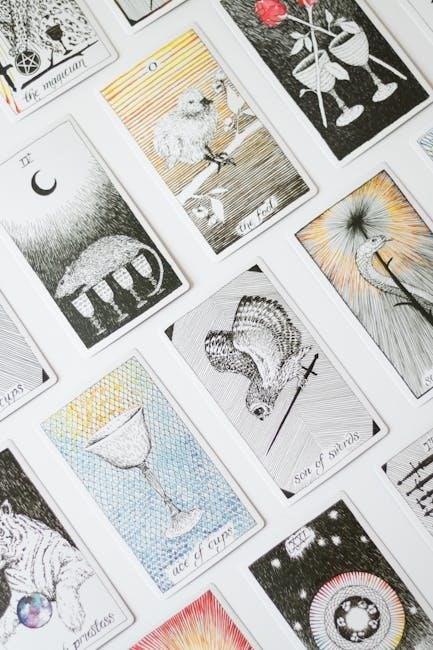
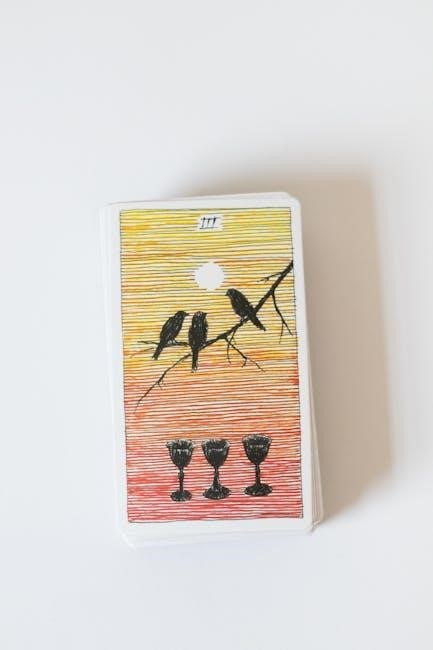
Kim Krans’s artistic vision in The Wild Unknown Archetypes Deck is striking, and the PDF guidebook serves as an essential companion to deciphering its rich symbolism. The cards feature delicate, hand-drawn illustrations, eschewing traditional imagery for a more intuitive and organic aesthetic.
The guidebook meticulously breaks down the symbolism within each card, explaining the significance of animals, plants, and geometric shapes. These aren’t arbitrary choices; each element is carefully selected to evoke specific archetypal energies and resonate with the subconscious. The PDF highlights how color palettes also contribute to the overall meaning.
Understanding these visual cues is key to unlocking deeper layers of interpretation. The PDF encourages readers to connect with the artwork on a personal level, allowing their intuition to guide them. It’s a visual journey as much as a psychological one, beautifully detailed within the downloadable resource.
Key Archetypes Within the Deck
The Wild Unknown Archetypes explores universal figures like The Mother, The Father, The Lover, The Warrior, and The Wild Child, detailed in the PDF.
The Mother Archetype: Nurturing and Creation
The Mother Archetype, as presented within The Wild Unknown Archetypes Guidebook PDF, embodies profound nurturing, creation, and unconditional love. This archetype isn’t limited to biological motherhood; it represents the generative force within all of us, fostering growth and providing a safe haven.
The PDF details how this archetype manifests in various aspects of life – from self-care and emotional support to artistic expression and bringing new ideas into being. It explores the shadow side of The Mother, highlighting potential pitfalls like overprotectiveness or smothering.
Understanding this archetype, through the deck’s imagery and Kim Krans’ insights, encourages self-compassion and recognizing the nurturing energy available to both give and receive. The guidebook offers journaling prompts to connect with your own inner Mother.
The Father Archetype: Structure and Authority
The Father Archetype, as detailed in The Wild Unknown Archetypes Guidebook PDF, represents structure, discipline, and the establishment of boundaries. It’s not solely about biological fathers, but the principle of authority and responsible guidance within ourselves and the world around us.
The PDF explores how this archetype provides a framework for achieving goals, maintaining order, and protecting what is valued. It also acknowledges the potential shadow aspects – rigidity, control, or emotional distance.
Kim Krans’ interpretation, through the deck’s symbolism, encourages examining how we embody and relate to this archetype. Journaling prompts within the guidebook facilitate understanding personal experiences with authority figures and integrating healthy boundaries.
The Wild Child Archetype: Freedom and Instinct
The Wild Child Archetype, as illuminated in The Wild Unknown Archetypes Guidebook PDF, embodies untamed freedom, spontaneity, and a deep connection to instinct. It represents the part of ourselves that yearns for authentic expression, unburdened by societal constraints or expectations.
The PDF details how this archetype encourages embracing playfulness, creativity, and a willingness to explore the unknown. However, it also acknowledges the potential for impulsivity or recklessness if unchecked.
Kim Krans’ deck utilizes imagery to prompt self-reflection on how we nurture our inner child and honor our natural impulses. Journaling prompts within the guidebook help uncover suppressed desires and reconnect with a sense of joyful liberation.
The Lover Archetype: Passion and Connection
The Lover Archetype, explored within The Wild Unknown Archetypes Guidebook PDF, signifies deep emotional connection, intimacy, and the passionate embrace of life’s pleasures. It’s not solely about romantic love, but encompasses all forms of affection, appreciation, and harmonious relationships.
The PDF illustrates how this archetype invites us to explore our values, desires, and the art of surrender. It encourages self-love as a foundation for healthy connections with others.
Kim Krans’ deck’s symbolism prompts introspection on boundaries, vulnerability, and the courage to fully experience joy and intimacy. Journaling prompts guide users in identifying what truly ignites their passion and fosters authentic connection.
The Warrior Archetype: Courage and Discipline
The Warrior Archetype, as detailed in The Wild Unknown Archetypes Guidebook PDF, embodies courage, discipline, and the strength to overcome obstacles. It’s not about aggression, but about righteous action, boundary setting, and defending one’s truth.
The PDF reveals how this archetype calls upon inner resilience and the ability to face challenges with unwavering determination. It encourages self-respect and the assertion of personal power.
Kim Krans’ deck’s imagery prompts reflection on areas where we may be holding back or compromising our values. Journaling prompts within the guidebook facilitate identifying personal battles and cultivating the fortitude to fight for what matters.

Using the Guidebook
The Wild Unknown Archetypes Guidebook PDF unlocks deeper meaning through card combinations and insightful journaling prompts, fostering self-reflection and personal growth.
Interpreting Card Combinations
The Wild Unknown Archetypes Guidebook PDF truly shines when exploring card pairings. Individual archetypes gain nuanced meaning when considered alongside others, revealing complex narratives within your readings.
Consider the interplay of suits – how do the energies of Houses and Elements blend? A Mother archetype alongside a Warrior suggests nurturing strength, while Lover and Wild Child indicate passionate freedom.
Pay attention to repeating archetypes; these amplify their message. Opposing archetypes create tension, highlighting areas needing integration. The guidebook encourages intuitive interpretation, recognizing that context and personal resonance are key. Don’t be afraid to explore multiple layers of meaning, allowing the cards to speak to your unique journey.
Journaling Prompts for Deeper Reflection
The Wild Unknown Archetypes Guidebook PDF provides powerful journaling prompts to unlock the deck’s transformative potential. Beyond simple card meanings, these prompts encourage introspection and self-discovery.
Consider: “How does this archetype manifest in my daily life?” or “What shadow aspects of this archetype am I resisting?” Explore the archetype’s challenges and gifts, relating them to your personal experiences.
The guidebook suggests free-writing, allowing thoughts to flow without judgment. Reflect on recurring archetypes in your spreads – what consistent themes are emerging? Use the prompts to identify limiting beliefs and cultivate self-compassion.
This practice fosters a deeper connection to your intuition and inner wisdom.

Finding and Accessing the PDF
The Wild Unknown Archetypes Guidebook PDF is available through legitimate sources like the publisher’s website and major booksellers.
Beware of unofficial sites offering downloads.
Legitimate Sources for Purchasing the PDF
The Wild Unknown Archetypes Deck and Guidebook PDF can be reliably purchased directly from the author, Kim Krans’s official website. This ensures you receive the complete and authentic version, supporting the creator directly.
Major online booksellers, such as Amazon and Barnes & Noble, also offer the digital PDF format for convenient access. These platforms often feature customer reviews, providing valuable insights. Additionally, some digital bookstores specializing in esoteric and spiritual content may carry the PDF.
Purchasing from these authorized retailers guarantees a secure transaction and protects against potentially harmful downloads from unofficial sources. Always verify the seller’s legitimacy before completing your purchase to ensure a positive experience.
Potential Risks of Downloading from Unofficial Sites
Downloading the Wild Unknown Archetypes Guidebook PDF from unauthorized websites carries significant risks. These sites often host malware, viruses, and other harmful software that can compromise your device and personal information.
Illegally obtained PDFs may be incomplete, corrupted, or of poor quality, hindering your ability to fully utilize the deck’s insights. Furthermore, supporting unofficial sources undermines Kim Krans’s work and the integrity of the archetype system.
Such downloads may also violate copyright laws, potentially leading to legal consequences. Prioritize your digital security and ethical considerations by opting for legitimate purchasing channels, ensuring a safe and authentic experience.
The Deck’s Connection to Other Practices
The Wild Unknown Archetypes beautifully bridges tarot and oracle traditions, enhancing practices like shadow work and introspective journaling.
It offers a unique lens for self-exploration.
Tarot and Oracle Differences
The Wild Unknown Archetypes deck skillfully blends elements of both tarot and oracle systems, yet understanding their distinctions illuminates the deck’s unique approach. Traditional tarot, with its 78 cards, adheres to a structured framework of Major and Minor Arcana, steeped in centuries of symbolism and predictive traditions.
Oracle decks, conversely, generally offer greater flexibility, often lacking a rigid structure and focusing more on intuitive guidance and thematic exploration. Kim Krans’s deck leans towards the oracle side, prioritizing archetypal energies and personal reflection over strict divination.
While tarot often seeks to answer specific questions, The Wild Unknown Archetypes encourages a broader journey of self-discovery, prompting introspection and connection to universal themes. It’s a tool for understanding, not necessarily predicting, life’s path.
Integrating the Archetypes with Shadow Work
The Wild Unknown Archetypes deck proves particularly potent when combined with shadow work – the process of acknowledging and integrating disowned aspects of the self. The archetypes, representing universal patterns, illuminate hidden facets within our psyche.
Cards depicting challenging archetypes, like The Warrior or The Wild Child, can reveal repressed traits or behaviors. Journaling prompts within the PDF guidebook encourage exploration of these shadow aspects, fostering self-awareness and acceptance.
By confronting these darker sides, we unlock wholeness and authenticity. The deck isn’t about eliminating shadows, but understanding their origins and integrating their energy constructively, leading to profound personal transformation.

Community and Resources
Online forums and groups offer spaces to discuss the Wild Unknown, share interpretations, and connect with fellow seekers exploring the PDF.
Further reading on archetypal psychology deepens understanding.
Online Forums and Groups for Discussion
The Wild Unknown Archetypes deck has fostered a vibrant online community where enthusiasts gather to share insights and experiences. Numerous platforms provide spaces for discussion, interpretation, and support. Reddit hosts active subreddits dedicated to the deck, offering a forum for posing questions, sharing readings, and engaging in thoughtful conversations about the archetypes.
Facebook groups also abound, providing a more intimate setting for connection and collaborative exploration of the guidebook and PDF. These groups often host challenges, workshops, and opportunities to connect with others on a similar journey of self-discovery. Dedicated websites and online communities centered around tarot and oracle decks frequently feature dedicated threads or sections for the Wild Unknown, further expanding the reach of the community.
These digital spaces are invaluable resources for deepening your understanding of the deck and connecting with like-minded individuals.
Further Reading on Archetypal Psychology
To enrich your understanding of the Wild Unknown Archetypes and the foundations of the deck, exploring archetypal psychology is highly recommended. Carl Jung’s work remains foundational; consider “Man and His Symbols” for an accessible introduction to his concepts. Marie-Louise von Franz, a close colleague of Jung, offers insightful interpretations of fairy tales and myths, illuminating the universal patterns reflected in the archetypes.
Exploring works on mythology, such as Joseph Campbell’s “The Hero with a Thousand Faces,” provides context for the recurring themes within the deck. Delving into the writings of James Hillman, a prominent figure in archetypal psychology, can offer a deeper understanding of the soul and its relationship to the archetypes presented in the guidebook and PDF.
These resources will enhance your interpretations and personal connection.