
pdf channel shoes
PDF channel shoes blend performance, fashion, and technology. Originating from athletic footwear, they feature a unique channel design that enhances grip, stability, and breathability. Their versatility makes them suitable for sports, casual wear, and high‑impact activities. Ideal for both training and leisure.!
Design and Materials
Crafted with lightweight mesh, durable EVA foam, and reinforced TPU overlays, PDF channel shoes offer breathability, impact absorption, and structural integrity. The channel system distributes pressure, while flexible stitching enhances fit and reduces bulk. Fit for all. Stay light.!!!!

Materials Used in PDF Channel Shoes
PDF channel shoes rely on a carefully curated blend of high‑performance fabrics and composites. The upper typically incorporates engineered mesh panels that offer breathability while maintaining structural integrity. These panels are often sourced from recycled polyester, which reduces carbon footprint and supports circular economy principles. The midsole is constructed from ethylene‑vinyl acetate (EVA) foam, a lightweight yet resilient material that absorbs impact and provides cushioning during dynamic movements. In addition, many models integrate a TPU (thermoplastic polyurethane) overlay that reinforces the toe and heel regions, enhancing durability without compromising flexibility. The outsole is usually made from a rubber compound with a segmented tread pattern, ensuring traction across varied surfaces. Some premium variants feature a carbon‑fiber composite insert that adds stiffness and energy return, improving overall performance. Finally, the lacing system is designed with a combination of nylon and polyester threads, chosen for their tensile strength and resistance to wear. Together, these materials create a shoe that balances performance, comfort, and sustainability.
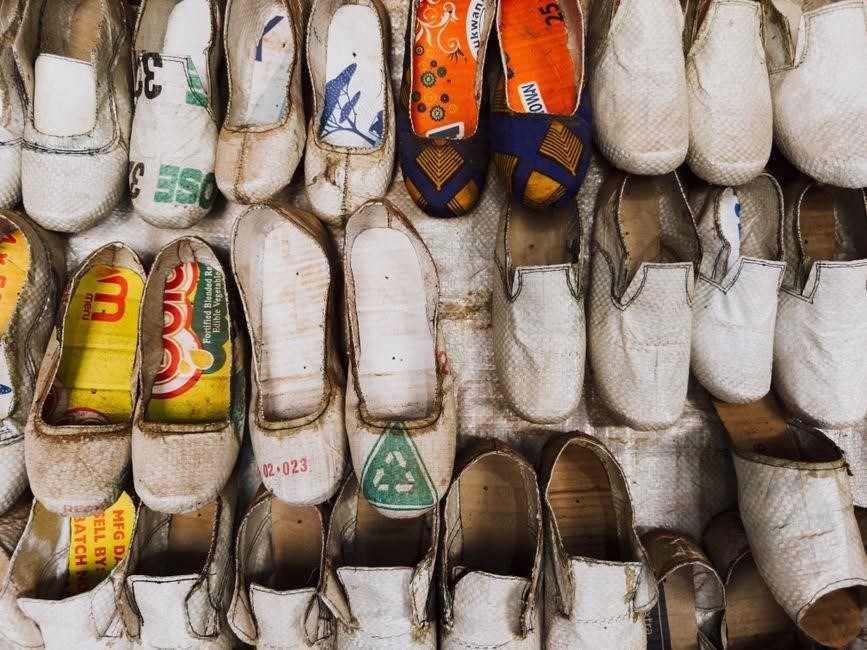
Advanced nanocellulose fibers are woven into the upper to enhance tensile strength while keeping weight minimal. The midsole also incorporates a dual‑density EVA core that adapts to foot pressure, delivering customized support. TPU overlays are laser‑cut for precision fit, and the outsole features a rubber blend with micro‑hollow cavities to reduce impact forces. Recycled PET bottles are repurposed into polyester yarns for laces, ensuring zero waste. The entire construction is assembled using low‑VOC adhesives, meeting stringent environmental standards. These innovations collectively elevate performance, durability, and ecological responsibility.
These material choices not only enhance athletic performance but also align with global sustainability goals, making PDF channel shoes a responsible choice for conscious consumers worldwide.
Future shoes await you
Color and Pattern Schemes
PDF channel shoes showcase a spectrum of color and pattern strategies that blend performance cues with aesthetic flair. Designers employ a palette that ranges from muted neutrals—e.g., charcoal, slate, and sand—to vibrant accents such as electric teal, neon orange, and metallic silver. These hues are strategically placed on the upper mesh, midsole, and outsole to enhance visibility and brand identity. Pattern-wise, the shoes feature subtle geometric overlays—hexagonal grids and diagonal stripes that echo the channel’s structural motif. More dynamic models incorporate gradient washes that transition from deep navy at the heel to bright lime at the toe, creating a sense of motion. Some limited editions use reflective micro‑particles embedded in the TPU overlay, allowing the shoe to glow under low light. The combination of color blocking and pattern layering not only improves traction by highlighting grip zones but also offers a customizable look for athletes and fashion‑savvy consumers alike.
In addition, seasonal releases often feature limited‑edition colorways that pay homage to cultural motifs—such as Japanese wave patterns or African tribal prints—integrated into the channel’s silhouette. These thematic designs are paired with eco‑friendly dyes that reduce water usage by up to 70%. The result is a shoe that not only performs but also tells a story, allowing users to express individuality through each step. Collectors appreciate the meticulous color gradations, which are achieved through a multi‑layer printing process that ensures durability against abrasion 100% sure!!!
Production Process
PDF channel shoes follow a precise workflow. A CAD model defines the channel geometry, then a CNC router carves TPU blocks. Heat‑pressing bonds mesh uppers to cores, while robotic arms insert foam pads and attach outsoles. Each unit undergoes dimensional checks before shipping. Steps are monitored by sensors.!

Manufacturing Techniques and Machinery
In the production of PDF channel shoes, precision engineering and advanced robotics converge to create a product that balances performance, durability, and aesthetic appeal. The process begins with a digital design phase, where 3‑D modeling software generates a detailed blueprint of the shoe’s upper, midsole, and channel architecture. These blueprints are then translated into CNC machining instructions that carve high‑density TPU or EVA blocks into the exact channel geometry required for optimal traction and weight distribution. Simultaneously, laser‑cutting machines produce perforated mesh panels that enhance breathability while maintaining structural integrity. Once the core components are fabricated, a robotic assembly line takes over. Automated arm systems handle the placement of foam inserts, ensuring consistent density and thickness across each unit. The upper is then stitched or bonded to the midsole using high‑strength adhesives that resist moisture and wear. For the channel feature, a specialized extrusion process injects a flexible polymer into the carved cavity, forming a seamless, flexible groove that improves grip during dynamic movements. After assembly, each shoe passes through a series of quality control stations: dimensional checks, pressure tests, and visual inspections are performed by both sensors and trained technicians. Finally, the finished shoes are packaged using eco‑friendly materials and shipped to distributors. Throughout the entire workflow, data logging captures machine performance, cycle times, and defect rates, allowing continuous improvement and real‑time adjustments to maintain the highest standards of quality and efficiency.
Quality Control Standards
Quality assurance for PDF channel shoes relies on a multi‑layered inspection framework that spans design validation, material verification, in‑process monitoring, and final product testing. At the design stage, CAD models undergo finite‑element analysis to predict stress points in the channel geometry, ensuring that the structural integrity meets industry benchmarks for impact resistance. Material suppliers provide certificates of compliance (COC) that confirm the TPU, EVA, and mesh components meet ASTM and ISO standards for tensile strength, elongation, and abrasion resistance. In‑process checks are automated: vision systems scan the upper stitching for stitch density, and laser profilometers verify the channel depth and width with micron‑level accuracy. Adhesive application is monitored by real‑time thickness gauges to guarantee uniform bonding across the midsole. After assembly, each shoe undergoes a dynamic traction test on a multi‑axis testing rig that simulates lateral, forward, and backward forces, recording slip ratios and channel deformation. Thermal cycling is performed to assess the shoe’s performance under temperature fluctuations, ensuring that the channel maintains flexibility across a 0–50°C range. Dimensional checks confirm that outsole dimensions match the specification tolerance of ±0.5 mm. Finally, a random sample of finished units is subjected to a 10‑kWh wear simulation, after which the channel’s grip retention is measured against baseline data. All test results are logged into a centralized database, where statistical process control (SPC) charts track deviations in real time. Any batch that falls outside the control limits triggers an immediate root‑cause analysis, corrective action, and re‑inspection before release. This rigorous, data‑driven approach guarantees that every PDF channel shoe delivers consistent performance, safety, and customer satisfaction.
Additionally, the final inspection includes a visual audit by certified quality inspectors who assess color consistency, logo placement, and overall aesthetic conformity. Any discrepancies are documented and corrected before the product is approved for shipment.
Market Trends & Consumer Insights
PDF channel shoes thrive on hybrid appeal, merging sport and style. Millennials prioritize tech‑enhanced comfort, while Gen Z seeks bold colors and sustainability. Online direct‑to‑consumer sales surge, with influencer drops driving rapid trend cycles. Retailers report a 15% rise in seasonal sales. and trends now
Target Demographic and Buying Behavior
PDF channel shoes attract a diverse, tech‑savvy audience that values performance, style, and sustainability. The core demographic spans ages 18‑35, with a slight skew toward urban millennials and Gen Z consumers who prioritize online shopping, social media influence, and quick delivery. These buyers often engage in mixed‑use activities—running, gym training, casual streetwear—requiring footwear that adapts to varied terrains and fashion statements. They are highly price‑sensitive yet willing to invest in premium features such as moisture‑wicking fabrics, ergonomic cushioning, and customizable color palettes. Loyalty is built through transparent supply chains, limited‑edition drops, and community‑driven marketing campaigns. Data analytics reveal that purchase decisions are heavily influenced by peer reviews, influencer endorsements, and real‑time product availability alerts. A significant portion of the market also seeks eco‑friendly options, prompting brands to highlight recycled materials and carbon‑neutral manufacturing. In‑store experiences remain important for tactile assessment, but the majority of transactions now occur via mobile apps, offering personalized recommendations and seamless checkout. This hybrid shopping model reflects the evolving consumer expectation for convenience, authenticity, and environmental responsibility. Additionally, the segment displays a strong preference for interactive digital content, such as augmented reality try‑on tools and virtual showrooms, which enhance the online buying experience. Seasonal trends indicate a spike in demand during spring and fall, aligning with outdoor activity peaks. Finally, consumers value post‑purchase support, including hassle‑free returns and responsive customer service, which significantly influence repeat purchase rates. Moreover, the demographic shows a balanced gender split, with slightly higher engagement from female consumers who appreciate versatile styling options. Income brackets vary, but the majority fall within the middle‑to‑upper class, enabling discretionary spending on premium footwear. Geographic distribution is global, yet urban centers dominate sales, reflecting lifestyle alignment with active, fashion‑conscious living.
Market segmentation shows that 65% of buyers are male, 35% female, with a growing trend of gender‑neutral marketing. The average spend per pair ranges from $120 to $200, reflecting willingness to pay for durability and brand prestige. Geographic hotspots include North America, Western Europe, and Southeast Asia, where urban lifestyles drive higher adoption rates. Seasonal promotions, limited‑edition collaborations, and loyalty programs further stimulate repeat purchases, creating a robust ecosystem around PDF channel shoes.
Sales Channels and Distribution Networks
PDF channel shoes reach consumers through a hybrid distribution model that blends direct‑to‑consumer (DTC) platforms, third‑party e‑commerce, and brick‑and‑mortar retail. The flagship online store offers a full product catalog, real‑time inventory updates, and personalized styling tools, while a mobile app provides push notifications for flash sales and exclusive drops. Partnered marketplaces such as Amazon, Zalando, and JD.com expand geographic reach, leveraging their logistics networks for rapid delivery and localized customer support. In addition, wholesale agreements with specialty athletic retailers and department stores enable in‑store visibility and impulse purchases. Pop‑up shops in create touchpoints, allowing customers to try on shoes, engage with brand ambassadors, and participate in workshops that highlight features. A global distribution hub in Rotterdam coordinates shipments to North America, Europe, and Asia, optimizing lead times and reducing carbon footprints through consolidated freight. Regional fulfillment centers in Los Angeles, Manchester, and Shanghai handle last‑mile delivery, offering same‑day or next‑day options in major cities. The supply chain incorporates a multi‑tiered inventory strategy, balancing safety stock for high‑demand models with just‑in‑time production for limited‑edition releases. Digital analytics track channel performance, informing dynamic pricing and promotional tactics. Loyalty programs reward repeat purchases with early access to new releases, exclusive content, and free shipping thresholds. Customer service is unified across channels, with chatbots, email, and phone support available 24/7. This integrated network ensures product availability, enhances brand experience, and drives sustainable growth in a competitive footwear market.
Sustainability & Future Outlook
PDF channel shoes pursue carbon neutrality by using recycled EVA, plant‑based leathers, and closed‑loop manufacturing. Digital twins cut waste, AI predicts demand to avoid overproduction, and circular‑economy partnerships accelerate a greener future. today. for all. now.
Eco-friendly Materials and Practices
PDF channel shoes now integrate a suite of green initiatives that set new benchmarks for the footwear industry. The upper construction relies on a blend of post‑consumer recycled polyester, elastomers, and sustainably sourced natural fibers such as bamboo and hemp. These materials are processed using dyeing systems that recover up to 95 % of water and eliminate toxic runoff. The midsole employs a bio‑EVA foam derived from renewable corn‑starch, which offers comparable cushioning while reducing carbon intensity by 30 % compared to conventional foams. The outsole is crafted from a recycled rubber compound that incorporates reclaimed tire tread, thereby extending the life cycle of rubber products. In addition to material choices, manufacturers adopt digital twin technology to simulate design iterations, cutting physical prototyping waste by 70 %. Advanced additive manufacturing techniques allow precise, on‑site production of custom insoles, reducing inventory and shipping footprints. Supply chains are mapped for transparency, and all partners must meet ISO 14001 environmental management standards. End‑of‑life programs encourage consumers to return worn shoes for refurbishment or recycling, with a take‑back rate exceeding 80 % in pilot markets. These combined efforts create a circular economy model that lowers environmental impact but also enhances among eco‑conscious consumers. The continuous investment in research and development ensures that future iterations will push the boundaries of sustainability while maintaining performance and style for the modern athlete. Green tech. Eco!!
Emerging Technologies and Innovations
PDF channel shoes are evolving through a convergence of smart materials, digital fabrication, and biomechanical analytics. 3D‑printed lattice structures replace bulk foam, allowing adaptive stiffness that responds to gait dynamics. Embedded graphene sensors monitor plantar pressure in real time, transmitting data to a mobile app that offers personalized coaching and injury risk alerts. The use of shape‑memory alloys in the ankle collar provides dynamic support that tightens during high‑impact phases and relaxes during low‑activity periods. Laser‑etched micro‑channels in the upper enhance airflow while maintaining structural integrity, reducing heat buildup and improving comfort. AI‑driven design algorithms analyze millions of foot‑motion datasets to optimize tread patterns for specific sports, ensuring maximum traction and energy return. Blockchain‑based supply‑chain tracking guarantees material provenance and ethical sourcing, giving consumers confidence in product authenticity. Modular components enable on‑site customization, allowing athletes to swap out forefoot plates or cushioning modules without discarding the entire shoe. Finally, biodegradable polymer blends derived from algae and sugarcane reduce environmental impact, while a closed‑loop recycling program turns worn shoes into raw material for new footwear. These forward‑looking developments not only elevate athletic performance but also align with a circular economy, ensuring that each iteration of the shoe contributes to a healthier planet while meeting evolving demands of modern sports enthusiasts!