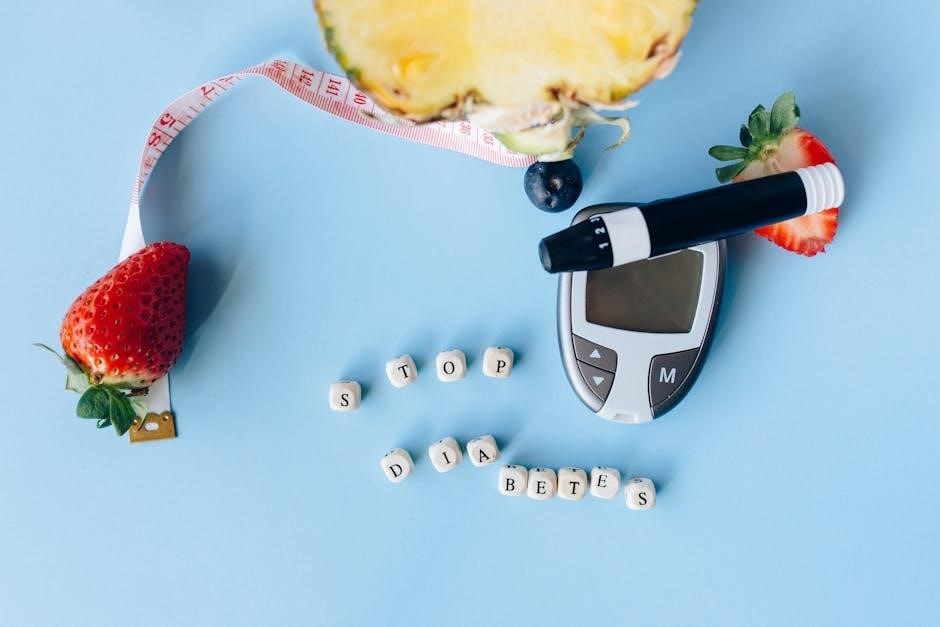
sugar free diet plan pdf
Embarking on a sugar-free journey offers substantial health benefits, with readily available PDF resources providing structured meal plans and guides for successful implementation.
What is a Sugar-Free Diet?
A sugar-free diet fundamentally centers on eliminating added sugars from your daily intake. This isn’t merely about abstaining from obvious sweets; it’s a comprehensive approach to dietary modification. Many resources, including readily accessible sugar-free diet plan PDFs, detail this process. These plans emphasize whole, unprocessed foods, prioritizing natural flavors over sugary enhancements.
The core principle involves avoiding refined sugars found in processed foods, sugary drinks, and even seemingly healthy items with hidden sugars. Successful implementation often relies on utilizing structured PDF guides offering meal plans and shopping lists to navigate this transition effectively.
Why Consider a Sugar-Free Diet?
Adopting a sugar-free lifestyle offers profound health advantages, mitigating risks associated with obesity, type 2 diabetes, and heart disease – conditions affecting millions. Numerous sugar-free diet plan PDFs highlight these benefits, providing a roadmap for positive change. These resources emphasize the addictive nature of sugar and the potential for improved energy levels and weight management.
Furthermore, a sugar-free approach can enhance overall well-being, promoting clearer skin and improved mental clarity. Utilizing a structured PDF can simplify the transition, offering practical meal ideas and support for long-term success.
Understanding Different Types of Sugar
Navigating sugar types – added versus natural – is crucial; sugar-free diet plan PDFs detail distinctions, aiding informed choices for optimal health and wellness.
Added Sugars vs. Natural Sugars
Distinguishing between added and natural sugars is fundamental to a successful sugar-free lifestyle. Sugar-free diet plan PDFs often highlight this difference, explaining that natural sugars, found in fruits and vegetables, come packaged with beneficial nutrients and fiber. Conversely, added sugars – prevalent in processed foods and sugary drinks – offer empty calories and contribute to health issues.
These PDF guides emphasize focusing on whole, unprocessed foods to minimize added sugar intake. Understanding this distinction empowers individuals to make informed dietary choices, supporting their journey towards a healthier, sugar-conscious lifestyle, as detailed within comprehensive meal plans.
Hidden Sugars in Processed Foods
Sugar-free diet plan PDFs frequently address the pervasive issue of hidden sugars within processed foods. These sugars often masquerade under various aliases – high fructose corn syrup, dextrose, sucrose, and maltose – making identification challenging. PDF resources detail how manufacturers add sugar to unexpected items like sauces, bread, and even seemingly savory snacks.
These guides advocate for diligent label reading and prioritizing whole, unprocessed foods; A well-structured meal plan within these PDFs helps navigate this landscape, offering alternatives and strategies to avoid these concealed sugar sources, promoting a truly sugar-conscious diet.
The Impact of Sugar on Health (Diabetes, Obesity, Heart Disease)
Sugar-free diet plan PDFs emphasize the detrimental health consequences of excessive sugar intake, specifically linking it to increased risks of diabetes, obesity, and heart disease. These PDF guides detail how sugar contributes to insulin resistance, weight gain, and inflammation – key factors in these chronic conditions.
Many meal plans within these resources are designed to stabilize blood sugar levels and promote healthy weight management. By providing structured dietary advice, these PDFs empower individuals to proactively mitigate these health risks through mindful sugar reduction.
7-Day Sugar-Free Meal Plan for Beginners
PDF resources often include a 7-day plan to kickstart sugar detox, focusing on whole foods and providing guidance for managing initial cravings effectively.
Day 1: Kickstarting Your Detox
Day one of a sugar-free plan, often detailed in PDF guides, emphasizes immediate elimination of added sugars. Begin with a breakfast of eggs and spinach, followed by a lunch featuring grilled chicken salad with olive oil dressing. Dinner could be baked salmon with steamed broccoli.
Hydrate consistently with water throughout the day. Expect potential initial detox symptoms like headaches or fatigue, as outlined in many PDF meal plans. Focus on lean proteins and complex carbohydrates to minimize cravings. A PDF resource will likely suggest preparing meals in advance to avoid temptation.
Day 2-7: Maintaining Momentum
Days two through seven, as detailed in a sugar-free diet PDF, focus on consistency. Continue prioritizing lean proteins, healthy fats, and complex carbohydrates. Sample meals include turkey breast with quinoa and vegetables, or lentil soup.
Many PDF guides suggest incorporating a variety of fruits in moderation. Manage cravings by identifying trigger foods and utilizing healthy alternatives. A PDF resource will likely emphasize the importance of meal prepping and staying hydrated. Monitor your progress and adjust the plan as needed, referencing your PDF guide.

30-Day Sugar Detox Plan: A Comprehensive Approach
A 30-day detox, often outlined in a sugar-free diet PDF, involves elimination, reintroduction, and maintenance phases for lasting results and improved health.
Phase 1: Elimination (Days 1-10)
The initial ten days, detailed within a comprehensive sugar-free diet PDF, focus on strict elimination of all added sugars. This includes obvious sources like candy and soda, but also extends to hidden sugars in processed foods. Prioritize whole, unprocessed foods – lean proteins, healthy fats, and non-starchy vegetables. Expect potential withdrawal symptoms like headaches or cravings; these are normal as your body adjusts. Hydration is crucial during this phase, supporting detoxification and minimizing discomfort. A well-structured PDF will provide shopping lists and meal ideas to simplify this challenging, yet vital, first step towards a sugar-free lifestyle.
Phase 2: Reintroduction (Days 11-20)
Following the elimination phase, a sugar-free diet PDF guides a careful reintroduction of natural sugars. This isn’t a free-for-all; it’s a systematic process to identify personal sensitivities. Introduce one potential trigger food – like fruit or dairy – every other day, monitoring for any adverse reactions. Pay close attention to cravings, energy levels, and digestive health. A detailed PDF plan will specify portion sizes and recommended foods. This phase helps determine your individual tolerance and establish a sustainable, long-term approach to sugar consumption.
Phase 3: Maintenance (Days 21-30)
The final stage, detailed in a comprehensive sugar-free diet PDF, focuses on long-term sustainability. This isn’t about deprivation, but mindful consumption. Continue prioritizing whole foods, lean proteins, and complex carbohydrates. The PDF will offer strategies for navigating social situations and resisting temptations. Establish realistic boundaries for occasional treats, understanding your personal limits. Regularly review your progress and adjust your plan as needed. This phase solidifies healthy habits, ensuring a lasting, sugar-conscious lifestyle.

Sample Meal Ideas for a Sugar-Free Diet
A sugar-free diet PDF showcases delicious, easy-to-prepare meals—prioritizing lean proteins, healthy fats, and complex carbs—for breakfast, lunch, and dinner options.
Breakfast Options
Sugar-free diet PDF resources frequently highlight breakfasts centered around protein and fiber for sustained energy. Consider starting your day with scrambled eggs and spinach, or a Greek yogurt parfait layered with berries and a sprinkle of nuts – ensuring no added sugars. Oatmeal, prepared with water or unsweetened almond milk and topped with seeds, is another excellent choice. Chia seed pudding, made with unsweetened coconut milk and a touch of vanilla extract, offers a delightful and nutritious start. Remember to avoid sugary cereals, pastries, and sweetened yogurts, focusing instead on whole, unprocessed foods detailed within the PDF guides.
Lunch Options
Sugar-free diet PDF plans emphasize lunches packed with lean protein, healthy fats, and complex carbohydrates. Salads featuring grilled chicken or fish, alongside a variety of non-starchy vegetables and a vinaigrette dressing, are ideal. Leftovers from dinner, ensuring they adhere to sugar-free guidelines, provide a convenient option. Consider a turkey and avocado lettuce wrap or a hearty vegetable soup. Avoid pre-made sandwiches with sugary bread and processed meats. The PDF resources will often include specific recipes and portion sizes to maintain a balanced, sugar-conscious midday meal.
Dinner Options
Sugar-free diet PDF resources highlight dinners centered around lean proteins like baked salmon, chicken breast, or lean beef. Pair these with generous servings of non-starchy vegetables such as broccoli, spinach, or asparagus. Roasted vegetables seasoned with herbs and spices offer flavorful, sugar-free alternatives. A PDF plan might suggest stir-fries using tamari instead of sugary sauces, or a hearty lentil soup. Avoid processed sauces and marinades, opting for homemade versions instead. Prioritize whole, unprocessed foods for a satisfying and healthy evening meal.

Dealing with Sugar Cravings
Sugar-free diet PDF guides suggest identifying trigger foods and utilizing healthy alternatives; strategies for managing cravings are also included.
Identifying Trigger Foods
Successfully navigating a sugar-free diet, as detailed in many PDF plans, begins with pinpointing personal trigger foods. These are often highly processed items, or those associated with emotional comfort. Common culprits include sugary drinks, baked goods, and even seemingly savory snacks containing hidden sugars.
Keeping a food diary can be incredibly helpful, noting not just what you eat, but when and why – the emotions or situations surrounding cravings. Recognizing these patterns empowers you to proactively avoid triggers or develop healthier coping mechanisms. A well-structured PDF will often include a trigger food identification worksheet.
Healthy Alternatives to Sugar
Transitioning to a sugar-free lifestyle, guided by a comprehensive PDF plan, doesn’t mean sacrificing sweetness entirely. Numerous natural alternatives exist! Stevia, erythritol, and monk fruit offer zero-calorie sweetness, while dates and small amounts of fruit provide natural sugars alongside fiber and nutrients.
Many PDF resources emphasize using spices like cinnamon and vanilla to enhance flavor and reduce sugar cravings. Remember moderation is key, even with natural sweeteners. Experiment to find what satisfies your palate without derailing your progress.
Strategies for Managing Cravings
A well-structured sugar-free diet plan PDF often includes craving-management techniques. Identifying trigger foods – those that instantly spark a desire for sugar – is crucial. Distraction is powerful: engage in activities you enjoy when cravings hit.
Prioritize protein and fiber-rich meals, as outlined in many PDF guides, to promote satiety. Don’t deprive yourself entirely; allow occasional, controlled treats. Remember, initial cravings diminish with consistency, and a detailed PDF can provide ongoing support.

Sugar-Free Diet for Families & Children
Family-focused PDF plans simplify transitioning to a no-sugar lifestyle, offering kid-friendly recipes and strategies for healthy snack choices and conversions.
Converting Kids to a No-Sugar Lifestyle
Successfully shifting children towards a sugar-free existence requires patience and creativity. Downloadable PDF resources often include age-appropriate meal ideas and snack alternatives that appeal to younger palates. Focus on presenting healthy options as fun and exciting, rather than restrictive.
Gradual reduction is key; abruptly eliminating all sweets can lead to resistance. Involve children in meal planning and preparation, fostering a sense of ownership. PDF guides can provide visual aids and checklists to track progress. Remember, leading by example is crucial – a family-wide commitment yields the best results.
Healthy Snack Ideas for Children
Sugar-free snacking for kids doesn’t mean deprivation! PDF meal plans frequently showcase options like sliced apples with almond butter, veggie sticks with hummus, or a small handful of berries. Greek yogurt (unsweetened) with a sprinkle of cinnamon is another excellent choice.
Homemade trail mix – combining nuts, seeds, and a few unsweetened dried fruits – provides sustained energy. Downloadable guides often offer creative recipes for sugar-free popsicles or energy bites. Prioritize whole, unprocessed foods to nourish growing bodies and establish healthy habits.

The Role of Protein and Fiber in a Sugar-Free Diet
PDF plans emphasize lean proteins and complex carbohydrates; fiber promotes satiety, aiding weight management and digestive health during sugar reduction.
Prioritizing Lean Proteins
Sugar-free diet PDF resources consistently highlight the crucial role of lean proteins in stabilizing blood sugar levels and promoting feelings of fullness. Incorporating sources like chicken breast, fish, turkey, and tofu helps minimize cravings and supports muscle maintenance during dietary changes.
These PDF guides often suggest aiming for protein intake at each meal to curb sugar desires and enhance metabolic function. Prioritizing protein also aids in preserving lean muscle mass, which is vital for maintaining a healthy metabolism and overall well-being throughout the sugar-free journey.
The Importance of Complex Carbohydrates
Sugar-free diet PDF plans emphasize shifting focus from simple sugars to complex carbohydrates for sustained energy. Resources advocate for whole grains like quinoa and brown rice, alongside non-starchy vegetables, providing essential nutrients and fiber.
These PDF guides detail how complex carbs digest slowly, preventing blood sugar spikes and crashes that trigger cravings. They contribute to satiety, aiding weight management and overall health. Choosing complex carbohydrates over refined options is a cornerstone of a successful, sustainable sugar-free lifestyle.
Fiber for Satiety and Digestive Health
Sugar-free diet PDF resources consistently highlight fiber’s crucial role. High-fiber foods, like vegetables and whole grains detailed in these plans, promote fullness, reducing overall calorie intake and curbing sugar cravings.
PDF guides emphasize fiber’s benefits for digestive regularity, preventing constipation often associated with dietary changes. Adequate fiber intake supports a healthy gut microbiome, further enhancing well-being. Prioritizing fiber-rich foods is a key strategy for long-term success on a sugar-free journey, as outlined in available resources.

Navigating Fruit Consumption on a Sugar-Free Diet
Sugar-free diet PDF guides suggest prioritizing whole fruits over juices, emphasizing moderation and portion control for natural sugar intake management.
Whole Fruits vs. Fruit Juices
Sugar-free diet plan PDFs consistently highlight a crucial distinction: whole fruits are preferable to fruit juices. This stems from the fiber content present in whole fruits, which slows sugar absorption, promoting satiety and preventing blood sugar spikes. Conversely, fruit juices often lack this vital fiber, delivering a concentrated dose of sugar directly into the bloodstream.
Many resources advocate for consuming fruits in their natural, intact form to maximize nutritional benefits and minimize negative metabolic impacts. Choosing a whole apple over apple juice, for instance, provides a more sustained energy release and supports better digestive health, aligning with the principles of a successful sugar-free lifestyle.
Moderation and Portion Control
Sugar-free diet plan PDFs emphasize that even natural sugars, found in fruits, require mindful consumption. While whole fruits are favored over juices, moderation remains key to achieving optimal results. Portion control prevents excessive fructose intake, which can still hinder weight loss or blood sugar management goals.
These guides often provide specific serving size recommendations for various fruits, encouraging individuals to enjoy them as part of a balanced diet, rather than unlimited indulgences. Prioritizing mindful eating and appropriate portions is crucial for long-term success.

Sugar-Free Diet and Diabetes Management
PDF plans aid diabetes control by stabilizing blood sugar; dietary modifications for prediabetes are included, promoting healthier choices and improved metabolic function.
Impact on Blood Sugar Levels
A sugar-free diet, often detailed in accessible PDF plans, profoundly impacts blood glucose control. Eliminating added sugars reduces spikes and crashes, fostering stable energy levels; These PDF resources emphasize whole foods and natural sugars from fruits – consumed in moderation – minimizing glycemic load.
For individuals with diabetes or prediabetes, a structured sugar-free plan (available as a PDF) can significantly improve insulin sensitivity and HbA1c levels. Consistent adherence, guided by these PDF materials, supports long-term blood sugar management and reduces diabetes-related complications. Careful monitoring alongside dietary changes is crucial.
Dietary Modifications for Prediabetes
PDF-based sugar-free diet plans are invaluable for those with prediabetes, focusing on preventative measures. These plans prioritize whole, unprocessed foods, limiting refined carbohydrates and added sugars – key for improving insulin resistance. A PDF guide will often detail portion control and emphasize fiber-rich foods for sustained energy.
Implementing a sugar-free approach, as outlined in a comprehensive PDF, can help normalize blood glucose levels and potentially reverse prediabetes. These PDF resources frequently suggest incorporating lean proteins and healthy fats, supporting weight management – a crucial factor in mitigating risk.
Resources for Sugar-Free Living
Numerous websites offer sugar-free recipes and PDF meal plans, while supportive online communities provide encouragement and shared experiences for lasting success.
Sugar-Free Recipe Websites
Discovering online platforms dedicated to sugar-free cuisine is invaluable. Many websites specialize in providing delicious and healthy recipes, often offering downloadable sugar-free diet plan PDFs. These resources frequently categorize meals by dietary needs and preferences, simplifying meal planning.
No Sugar Company, for example, provides a 7-day meal plan as part of their resources, alongside advice for managing cravings and family transitions. Exploring these sites unlocks a wealth of inspiration, ensuring a varied and enjoyable sugar-free experience. Organic Pharmer also offers guidance and recipes.
Support Groups and Communities
Joining online or local support groups can significantly enhance your sugar-free journey. These communities offer a space to share experiences, challenges, and successes, fostering motivation and accountability. Many groups share valuable resources, including customized sugar-free diet plan PDFs and recipe collections.
Connecting with others facing similar dietary changes provides encouragement and practical tips. Platforms like Facebook and dedicated forums host thriving communities focused on sugar-free living, offering a sense of belonging and shared purpose.

Potential Side Effects and How to Manage Them
Initial detox symptoms like headaches are common; PDF guides offer strategies for managing them, alongside long-term benefits of reduced sugar intake.
Initial Detox Symptoms
Commencing a sugar-free diet, often detailed in accessible PDF plans, can trigger temporary, yet noticeable, withdrawal symptoms. These typically manifest within the first few days as the body adjusts to the absence of refined sugars. Common experiences include headaches, fatigue, irritability, and intense sugar cravings – a natural response to the brain’s accustomed dopamine release.
PDF resources frequently advise staying hydrated, prioritizing sleep, and incorporating gentle exercise to mitigate these effects. Remember, these symptoms are usually short-lived, signaling your body’s positive adaptation to a healthier lifestyle. Utilizing a structured PDF meal plan can also minimize cravings by providing satisfying, sugar-free alternatives.
Long-Term Benefits
Sustained adherence to a sugar-free lifestyle, guided by comprehensive PDF plans, unlocks a wealth of long-term health advantages. Expect stabilized energy levels, reduced risk of chronic diseases like type 2 diabetes and heart disease, and significant weight management improvements. Many PDF resources highlight enhanced mental clarity and improved mood as additional benefits.
Following a detailed PDF also promotes healthier skin, better sleep quality, and a strengthened immune system. Ultimately, a sugar-free approach fosters a sustainable, vibrant lifestyle, empowering you to prioritize well-being and enjoy lasting vitality.

Sugar-Free Diet PDF: Accessing Meal Plans and Guides
Numerous online sources offer downloadable PDF meal plans and guides, simplifying your sugar-free transition with structured support and recipe ideas.
Where to Find Printable Meal Plans
Locating printable sugar-free meal plans is surprisingly accessible! Several websites specialize in providing downloadable PDF formats, perfect for kitchen display or inclusion in a binder. No Sugar Company Inc. offers a 7-day plan as part of their “No Sugar In Me” resource.
Additionally, a general internet search using keywords like “sugar-free meal plan PDF,” “30-day sugar detox plan printable,” or “sugar-free diet guide PDF” will yield a wealth of options. Remember to preview the plan to ensure it aligns with your dietary needs and preferences before committing!
Utilizing Digital Resources
Digital resources greatly enhance the sugar-free experience! Beyond printable PDFs, numerous websites host interactive meal planners and recipe databases. Organic Pharmer details a comprehensive 30-day challenge, while dietitian-created 7-day plans (targeting 1800 calories) are also available online.
These platforms often allow customization based on dietary restrictions and preferences. Furthermore, exploring recipe websites and joining online support groups provides ongoing inspiration and accountability, making your sugar-free journey more sustainable and enjoyable.