tasco trail camera instructions
Tasco Trail Camera Instructions: A Comprehensive Guide (Updated 04/13/2026)
Welcome! This guide, current as of today – 04/13/2026 at 20:34:24 – provides detailed instructions for your Tasco trail camera, ensuring optimal performance and usability․
Tasco trail cameras are designed for reliable wildlife observation and security monitoring․ These devices automatically capture photos or videos when motion is detected, offering a non-intrusive way to observe animal activity or safeguard property․
Whether you’re a wildlife enthusiast, hunter, or homeowner, understanding your camera’s features is crucial․ This guide, updated on 04/13/2026, will walk you through setup, operation, and troubleshooting․ Tasco cameras boast user-friendly interfaces, but maximizing their potential requires familiarization with settings like trigger speed, image resolution, and recording modes․
We’ll cover everything from initial setup to advanced customization, ensuring you get the most out of your investment․ Remember to consult this guide frequently for optimal results․
Unboxing and Component Identification
Carefully unpack your Tasco trail camera and verify all components are present․ You should find the camera unit itself, a mounting bracket (potentially with a strap), and essential accessories․ Typically, these include an SD card (capacity varies by model) and batteries – check the packaging for specifics․
Inspect each item for any shipping damage․ The camera unit features a lens, display screen, and control buttons․ The bracket allows for secure attachment to trees or posts․ Refer to the included quick-start guide for a visual component map․ Ensure you have all parts before proceeding with setup, as of 04/13/2026․
Camera Unit Overview
The Tasco trail camera boasts a rugged, weatherproof housing designed for outdoor durability․ Key features include a high-resolution lens for capturing clear images and videos, and an integrated infrared flash for nighttime operation․ A built-in LCD screen allows for easy menu navigation and image/video review․
Control buttons facilitate settings adjustments, while an SD card slot accommodates storage․ The camera also incorporates a trigger sensor for automatic activation․ Power is supplied by batteries, accessed via a secure compartment․ Familiarize yourself with these components, as of 04/13/2026, for optimal use․
Mounting Bracket and Strap Details
The included mounting bracket allows for versatile camera attachment to trees, posts, or other stable surfaces․ It features adjustable straps to accommodate varying diameters, ensuring a secure fit․ The bracket’s quick-release mechanism simplifies camera removal for battery changes or SD card access․
A durable nylon strap is also provided for alternative mounting options, offering flexibility in positioning․ Ensure the bracket and strap are firmly secured before leaving the camera unattended, as of 04/13/2026․ Proper mounting prevents movement and ensures optimal image capture․
Included Accessories (SD Card, Batteries, etc․)
Your Tasco trail camera package includes essential accessories for immediate use․ Typically, you’ll find a high-capacity SD card for storing captured images and videos – check the specifications for supported sizes․ A set of batteries (often AA) is also provided to power the device, ensuring it’s ready to deploy․
Additionally, a mounting strap and bracket are included for secure attachment․ As of 04/13/2026, some models may contain a USB cable for data transfer․ Verify all components are present before proceeding with setup․
Battery Installation and Powering On
To begin, locate the battery compartment, usually secured with a latch․ Insert the correct type and number of batteries (typically AA), observing the polarity markings inside the compartment – incorrect insertion can damage the camera․ Ensure batteries are fresh for optimal performance․
Once batteries are installed, close and secure the latch․ To power on the camera, locate the power button, often near the battery compartment․ Press and hold until the indicator light illuminates, confirming the camera is active as of 04/13/2026․
SD Card Installation and Compatibility
Locate the SD card slot, typically alongside the battery compartment․ Gently insert a compatible SD card – check your camera’s specifications for supported types (SDHC, SDXC) and maximum capacity․ Avoid forcing the card; it should slide in smoothly․
Ensure the card clicks into place․ Your Tasco camera, as of 04/13/2026, likely supports cards up to 32GB or 64GB․ Before first use, formatting the SD card within the camera’s settings is highly recommended for optimal performance and compatibility․
Supported SD Card Types and Sizes
Tasco trail cameras, updated as of 04/13/2026, generally support SDHC and SDXC card types․ SDHC cards typically range from 2GB to 32GB, while SDXC cards offer capacities from 32GB up to 2TB․ However, individual camera models may have limitations․
We recommend using a Class 10 or UHS-I card for optimal read/write speeds, crucial for high-resolution photos and videos․ While larger capacity cards may work, performance can degrade․ Check your specific camera’s manual for confirmed maximum supported size․
Formatting the SD Card
Proper SD card formatting is essential for reliable performance with your Tasco trail camera (updated 04/13/2026)․ We strongly advise formatting the card within the camera itself, using the camera’s menu options․ This ensures compatibility with the camera’s file system․
Formatting erases all data, so back up any important files beforehand․ Avoid formatting on a computer unless absolutely necessary, as computer formatting can sometimes cause issues․ A correctly formatted card minimizes errors and maximizes recording capacity․
Basic Camera Settings and Navigation
Familiarizing yourself with the basic settings is crucial for effective use of your Tasco trail camera (updated 04/13/2026)․ The camera features a user-friendly interface, typically navigated using buttons on the control panel․ Access the main menu to adjust settings like date, time, and camera mode․
Explore options for image resolution, video length, and trigger sensitivity․ The menu structure is logically organized, allowing for quick and easy adjustments․ Refer to the on-screen prompts for detailed explanations of each setting․
Understanding the Camera Modes
Tasco trail cameras (updated 04/13/2026) offer versatile shooting modes to suit diverse monitoring needs․ Photo Mode captures still images, allowing you to select resolution for desired image quality․ Video Mode records moving subjects, with adjustable length and frame rate options․
Hybrid Mode intelligently combines both photo and video capture, maximizing data collection․ Each mode is optimized for specific scenarios – photos for quick snapshots, videos for detailed observation, and hybrid for comprehensive coverage․ Experiment with each mode to determine the best fit for your surveillance goals․
Photo Mode: Resolution and Image Quality
Tasco trail cameras (updated 04/13/2026) in Photo Mode offer adjustable resolution settings, directly impacting image quality and file size․ Lower resolutions (e․g․, 640×480) conserve SD card space but yield less detail․ Higher resolutions (e․g․, 12MP, 16MP) provide sharper, more detailed images, ideal for identifying wildlife or features․
Image quality is also influenced by compression levels; lower compression retains more detail but increases file size․ Experiment with different settings to balance image clarity with storage capacity, considering your specific monitoring needs and SD card limitations․
Video Mode: Resolution, Length, and Frame Rate
Tasco trail cameras (updated 04/13/2026) offer versatile Video Mode settings․ Resolution choices – ranging from lower (640×480) to higher (1080p or 4K, if supported) – affect video clarity and file size․ Video length determines the maximum recording duration per event, impacting storage usage․ Shorter clips conserve space, while longer clips capture more activity․
Frame rate (FPS) influences video smoothness; higher FPS (e․g․, 30fps) provides smoother motion, while lower FPS (e;g․, 15fps) reduces file size․ Optimize these settings based on desired video quality and available SD card capacity․
Hybrid Mode: Combining Photos and Videos
Tasco trail cameras (updated 04/13/2026) frequently feature a Hybrid Mode, intelligently blending photo and video capture․ This mode typically initiates with a photo upon trigger, followed by a short video clip․ This provides both a still image for quick identification and video footage for detailed observation of wildlife activity․
Customize the delay between the photo and video, and adjust video length within Hybrid Mode settings․ This mode is ideal for comprehensively documenting events, offering a richer dataset than either photos or videos alone․ Consider SD card space when utilizing this feature․
Setting Date, Time, and Location
Accurate date and time stamping are crucial for organizing and analyzing footage from your Tasco trail camera (updated 04/13/2026); Access the camera’s settings menu – typically through the control panel – to locate the date/time configuration options․ Input the correct information, ensuring the format matches the camera’s requirements․
Some models offer GPS functionality for location tagging․ If available, enable GPS to automatically embed location data into each image or video․ Proper date, time, and location settings are essential for effective wildlife monitoring and data interpretation․
Trigger Settings and Sensitivity Adjustment
Optimizing trigger settings is vital for capturing desired footage with your Tasco trail camera (updated 04/13/2026)․ Sensitivity controls determine how much movement is needed to activate the camera․ Higher sensitivity detects smaller movements, potentially leading to more false triggers․ Lower sensitivity requires significant motion, reducing false alerts but possibly missing quick activity․
Adjust these settings based on your environment․ Experiment to find the balance between capturing genuine events and minimizing unnecessary recordings․ Consider factors like wind, foliage, and animal size when fine-tuning sensitivity levels․
Sensitivity Levels Explained
Tasco trail cameras (updated 04/13/2026) typically offer multiple sensitivity levels, often ranging from Low to High․ “Low” is best for stable environments, minimizing false triggers from wind or small animals․ “Medium” provides a balance, suitable for most situations․ “High” maximizes detection range, ideal for capturing fast-moving or distant subjects․
However, higher sensitivity increases the risk of recordings triggered by non-target movement․ Carefully consider your location and desired footage․ Experiment with each level to determine the optimal setting for your specific needs, balancing detection with minimizing unwanted recordings․
Trigger Speed Optimization
Optimizing trigger speed (as of 04/13/2026) on your Tasco trail camera is crucial for capturing fleeting wildlife moments․ While “high” sensitivity boosts detection, it can sometimes reduce effective trigger speed due to increased processing․ Experiment with “medium” sensitivity alongside shorter recovery times․
Consider the typical speed of animals in your area․ Faster subjects require quicker trigger responses․ Regularly review footage to identify missed opportunities․ Adjust settings incrementally, testing after each change․ Remember, a balance between sensitivity and recovery time yields the best results for consistent, clear captures․
Image/Video Recovery and Viewing
Retrieving your footage (updated 04/13/2026) is straightforward․ First, power off the camera․ Remove the SD card and insert it into a card reader connected to your computer․ Alternatively, some Tasco cameras offer direct USB connectivity for data transfer․
Once connected, your computer will recognize the SD card as a removable drive․ Browse the files to locate your photos and videos․ Utilize standard image and video viewing software․ Regularly back up your footage to prevent data loss․ Reviewing images on a larger screen enhances detail and identification․
Mounting the Trail Camera
Secure installation (updated 04/13/2026) is crucial for optimal performance․ Utilize the provided mounting bracket and strap․ Select a stable tree or post, ensuring minimal obstruction of the camera’s field of view․ Position the camera at the desired height and angle, considering animal travel patterns․
Tighten the bracket securely, avoiding excessive force․ The strap provides additional stability and theft deterrence․ Regularly inspect the mounting to confirm it remains secure, especially after inclement weather․ Proper mounting maximizes detection range and image quality․
Optimal Camera Placement for Wildlife Detection
Strategic positioning (updated 04/13/2026) dramatically improves detection rates․ Focus on game trails, feeding areas, and water sources․ Consider prevailing wind direction – animals often approach from downwind․ Clear vegetation immediately in front of the camera to prevent false triggers and obstructed views․
Angle the camera slightly downwards to capture more detail․ Avoid direct sunlight, which can cause glare and wash out images․ Monitor initial results and adjust placement as needed․ Remember, patience and observation are key to successful wildlife monitoring with your Tasco camera․
Securing the Camera to Trees or Posts
Robust mounting (updated 04/13/2026) is crucial for security and image stability․ Utilize the provided mounting bracket and strap, ensuring a snug fit around the chosen tree or post․ Avoid using nails or screws that could damage the environment․ Regularly inspect the strap for wear and tear, especially in harsh weather conditions․
For posts, consider using a bungee cord for added security․ Ensure the camera is level to avoid skewed images․ Conceal the camera with natural vegetation for camouflage, but avoid obstructing the lens․ Prioritize a stable, discreet, and environmentally responsible setup․
Troubleshooting Common Issues
Facing difficulties? (Updated 04/13/2026) This section addresses frequent problems․ If the camera won’t power on, verify battery polarity and charge levels․ For poor image/video quality, check lens cleanliness and SD card compatibility․ Ensure sufficient lighting and adjust camera settings accordingly․
If triggering is inconsistent, adjust sensitivity levels․ Confirm the SD card isn’t full and is properly formatted․ Regularly check for firmware updates․ If issues persist, consult the Tasco support website or contact customer service for further assistance․ A systematic approach will resolve most problems․
No Power/Camera Won’t Turn On
Camera failing to activate? (Updated 04/13/2026) First, confirm the power switch is in the “ON” position․ Next, meticulously check the battery polarity – incorrect insertion will prevent operation․ Ensure batteries are fully charged or replace them with a fresh set․ Inspect the battery compartment for corrosion or debris that might impede contact․
If using external power, verify the adapter is securely connected․ A faulty power supply can also cause this issue․ Test with a different power source if possible․ Finally, examine the power port for any visible damage․
Poor Image/Video Quality
Experiencing blurry or dark images? (Updated 04/13/2026) Begin by cleaning the camera lens with a soft, dry cloth․ Smudges or debris significantly impact clarity․ Verify sufficient ambient light; trail cameras rely on available illumination․ Adjust the camera’s resolution settings – higher resolutions demand more light․
Check the SD card’s write speed; a slow card can cause image distortion․ Ensure the camera isn’t pointed directly at sunlight, which can cause overexposure․ Finally, confirm the trigger speed isn’t too slow, resulting in motion blur․
Advanced Settings and Customization
Unlock your camera’s full potential! (Updated 04/13/2026) Explore advanced settings for tailored performance․ Customize image timestamps to include location data, enhancing organizational capabilities․ Adjust the camera’s recovery time – the delay between triggered events – to optimize battery life and capture sequences․
Experiment with pre-trigger recording, capturing footage before motion is detected․ Utilize custom detection zones to focus on specific areas, minimizing false triggers․ Explore options for watermarking images and videos for identification purposes․ These features refine your surveillance experience․
Firmware Updates and Maintenance
Keep your camera performing optimally! (Updated 04/13/2026) Regularly check the Tasco website for firmware updates, enhancing functionality and addressing potential bugs․ Download updates via SD card and follow the on-screen instructions carefully during installation․
Proper maintenance extends your camera’s lifespan․ Clean the lens with a microfiber cloth to ensure clear images․ Inspect the housing for any damage and ensure all compartments are sealed against moisture․ Store the camera in a dry, cool place when not in use, protecting it from the elements․
Tasco Trail Camera App Integration (If Applicable)
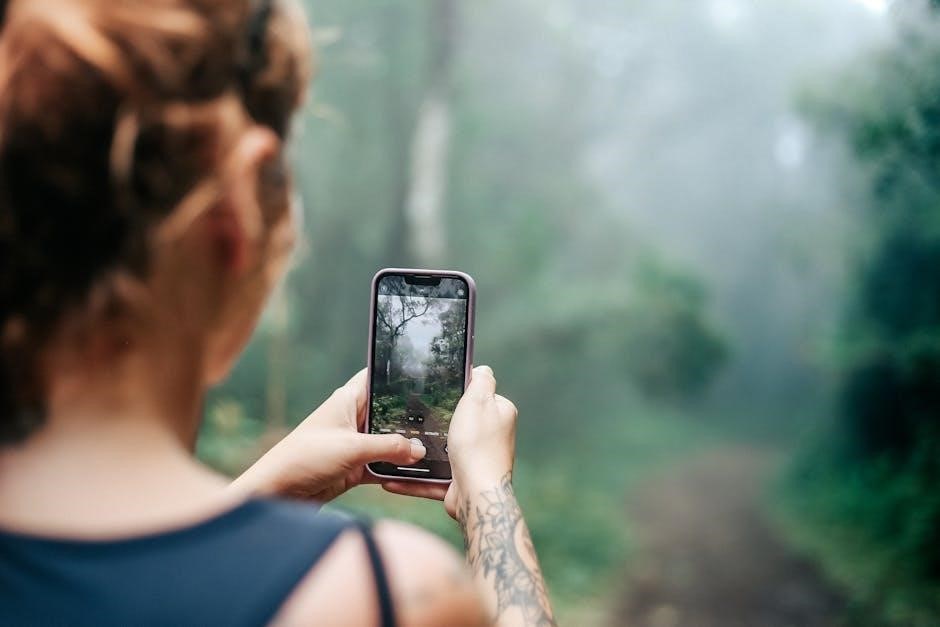
Connect and control your camera remotely! (Updated 04/13/2026) Some Tasco trail camera models offer smartphone app integration for enhanced convenience․ Download the Tasco app (available on iOS and Android) and follow the pairing instructions․
The app allows for remote viewing of images and videos, real-time camera settings adjustments, and instant notifications when motion is detected․ Explore features like camera status checks and SD card capacity monitoring․ Ensure your camera and smartphone are within Wi-Fi range for seamless connectivity․
Legal Considerations and Responsible Use
Respect privacy and local laws! (Updated 04/13/2026) Before deploying your Tasco trail camera, understand and adhere to all applicable local, state, and federal laws regarding wildlife monitoring and surveillance․ Obtain necessary permissions if placing the camera on private property․
Avoid aiming the camera at areas where individuals have a reasonable expectation of privacy․ Be mindful of potential impacts on wildlife and avoid causing disturbance․ Responsible use includes regularly checking the camera and removing it when no longer needed․ Always prioritize ethical considerations․
Warranty Information and Support
Tasco Limited Warranty: (Updated 04/13/2026) Your Tasco trail camera is covered by a one-year limited warranty against defects in materials and workmanship from the date of original purchase․ This warranty does not cover damage caused by misuse, accidents, or unauthorized modifications․
For warranty claims or technical support, please visit our official website at [insert website address here] or contact our customer support team at [insert phone number/email address here]․ Retain your proof of purchase for warranty service․ We strive to provide prompt and helpful assistance!
Frequently Asked Questions (FAQ)
Q: My camera isn’t triggering․ What should I do? A: Ensure batteries are fresh, sensitivity is appropriately adjusted, and the trigger speed is optimized for your environment․
Q: What SD card size is recommended? A: We recommend a Class 10 microSD card with a capacity of 32GB to 128GB for optimal performance․ Larger cards may experience slower write speeds․
Q: How do I improve image clarity? A: Check lens cleanliness, adjust resolution settings, and ensure adequate lighting conditions․ Contact support if issues persist․
Comparing Tasco Trail Camera Models
Tasco offers diverse trail camera options․ Entry-level models prioritize affordability with basic features like 720p video and standard trigger speeds․ Mid-range cameras boast 1080p resolution, improved sensitivity, and faster trigger times – ideal for general wildlife monitoring․
Premium models deliver 4K video, enhanced night vision, and advanced features like time-lapse recording and smartphone app integration․ Consider detection range, image quality, and desired features when selecting a model․ Review specifications carefully to match your specific needs and budget․
Resources and Further Learning
Expand your knowledge! Tasco’s official website (tasco․com) provides detailed product manuals, FAQs, and troubleshooting guides for all camera models․ Online forums dedicated to wildlife photography and trail cameras offer valuable user experiences and tips․
YouTube channels frequently feature Tasco camera reviews and tutorials․ Consider exploring resources from the Internet Archive (archive․org) for historical information and archived manuals․ Remember to always verify information from multiple sources to ensure accuracy and stay updated on the latest firmware releases․