
rhythm p2 portable oxygen concentrator manual
Rhythm P2 Portable Oxygen Concentrator: A Comprehensive Guide
Navigating life with respiratory needs demands reliable support. This guide details the Rhythm P2, offering insights from user manuals and online resources for optimal operation and care.

Understanding Portable Oxygen Concentrators
Portable Oxygen Concentrators (POCs) represent a significant advancement in respiratory therapy, offering users unprecedented freedom and mobility compared to traditional oxygen delivery systems like tanks; Unlike oxygen tanks which store compressed gas, POCs extract oxygen directly from the ambient air, purifying and concentrating it for inhalation. This innovative process makes them a convenient and cost-effective solution for individuals requiring supplemental oxygen.
The Rhythm P2, as a POC, is designed for active lifestyles, enabling users to maintain their daily routines without being tethered to bulky equipment. Understanding the core principles of POC technology – air intake, filtration, compression, and oxygen concentration – is crucial for safe and effective use. These devices are particularly beneficial for those with chronic respiratory conditions like COPD, pulmonary fibrosis, or other ailments impacting oxygen levels.
Proper operation and maintenance, as detailed in the Rhythm P2’s user manual, are paramount to ensure consistent oxygen delivery and device longevity. Familiarizing yourself with the device’s features and limitations will empower you to manage your respiratory health effectively.
What is the Rhythm P2?
The Rhythm P2 is a cutting-edge portable oxygen concentrator (POC) designed to deliver supplemental oxygen to individuals with respiratory needs, promoting an active and independent lifestyle. Manufactured with advanced pulse dose technology, it intelligently adjusts oxygen output based on the user’s inhalation rate, optimizing efficiency and comfort. This distinguishes it from continuous flow concentrators, offering potential benefits in oxygen conservation.
Compact and lightweight, the Rhythm P2 prioritizes portability without compromising performance. Its robust design and user-friendly interface make it suitable for both home and travel use. The device’s operation is guided by a comprehensive user manual, detailing setup, operation, maintenance, and troubleshooting procedures.
The Rhythm P2 aims to provide a discreet and reliable oxygen source, empowering users to participate fully in daily activities. Understanding its specific features, as outlined in the provided documentation, is key to maximizing its benefits and ensuring optimal respiratory support.
Key Features of the Rhythm P2
The Rhythm P2 boasts several key features enhancing user experience and therapeutic efficacy. Its intelligent pulse dose delivery system adjusts oxygen output to match breathing patterns, conserving battery life and minimizing unnecessary oxygen consumption. The device offers multiple operating modes, allowing customization based on activity level and physician recommendations, as detailed in the user manual.
A prominent feature is its compact size and lightweight design, facilitating easy portability. The intuitive LCD screen displays crucial information like flow setting, battery life, and operational status. Furthermore, the Rhythm P2 incorporates advanced sieve bed technology for efficient oxygen separation from ambient air.
Durability and reliability are also central, with a robust construction designed for active lifestyles. The included accessories, such as cannulas and masks, contribute to comfortable and effective oxygen delivery. Proper understanding of these features, guided by the manual, ensures optimal utilization.
Technical Specifications of the Rhythm P2

The Rhythm P2’s technical specifications are crucial for understanding its capabilities and ensuring appropriate use. Oxygen concentration levels range from 1% to 99%, adjustable via the user interface, as outlined in the device manual. It operates on a standard AC power input (100-240V, 50/60Hz) and includes a DC power adapter for mobile use.
Dimensions are approximately 10.6” (H) x 6.3” (W) x 13.4” (D), with a weight of around 10.4 lbs, making it relatively portable. The device utilizes a pulse dose delivery system with settings ranging from 1 to 6, corresponding to different oxygen flow rates. Battery life varies depending on flow setting, typically lasting between 2 to 8 hours on a fully charged battery.
Sound level is reported to be below 60 dBA, contributing to a quieter user experience. The Rhythm P2 incorporates a sieve bed material designed for long-term performance and requires periodic filter replacement, as detailed in the maintenance section of the manual.
Setting Up Your Rhythm P2
Proper setup is essential for the safe and effective operation of your Rhythm P2. Begin by carefully unpacking the device and verifying all components are present, referencing the included checklist in the user manual. Locate a stable, flat surface with adequate ventilation for placement, ensuring it’s free from dust and debris.
Connect the AC power cord to a grounded outlet, or prepare the DC power adapter for mobile use. Before attaching any accessories, familiarize yourself with the cannula or mask connection port. The manual emphasizes the importance of using only Rhythm-approved accessories to maintain device performance and safety.
Initial setup involves a brief system check upon powering on, indicated by visual and auditory cues. Ensure the battery is adequately charged before first use, following the charging instructions detailed in the manual. Review the control panel layout and understand the function of each button and indicator light for seamless operation.
Initial Setup and Charging
Before your first use, a complete charge of the Rhythm P2’s battery is crucial for optimal performance. Connect the provided AC power adapter to a standard electrical outlet and the charging port on the concentrator. The user manual details a typical charging time of several hours for a full charge, indicated by a change in the battery indicator light.
During charging, the device can still be operated, though battery life will be limited. It’s recommended to allow a full charge cycle without interruption for maximum battery capacity. The manual cautions against using third-party chargers, as they may damage the battery or the device itself.
Initial setup also includes verifying the filter is correctly installed and free from obstructions. A properly seated filter ensures clean air delivery. Refer to the manual’s diagrams for correct filter placement. Once charged, perform a brief operational test to confirm the device powers on and delivers the prescribed oxygen flow.
Operating the Rhythm P2
The Rhythm P2 is designed for intuitive operation, but familiarizing yourself with its controls is essential. The power button initiates device operation, indicated by a visual and audible confirmation. The user manual emphasizes the importance of selecting the correct flow setting as prescribed by your healthcare professional.
Flow settings are adjusted using the designated control panel, typically offering a range of options to meet individual oxygen needs. Regularly monitor the device’s display to confirm the selected flow rate. Proper cannula or mask connection is vital for effective oxygen delivery; ensure a secure fit.
The manual advises against obstructing the air intake vents during operation, as this can compromise performance and potentially trigger error codes. Always operate the device in a well-ventilated area. Understanding the device’s operational indicators, as detailed in the manual, allows for proactive monitoring and troubleshooting.
Powering On and Off
Initiating operation of the Rhythm P2 is straightforward: press and hold the power button until the device illuminates and emits an audible tone, confirming activation. The user manual stresses verifying the display panel for system self-check completion before use. A fully charged battery is crucial for uninterrupted operation, as detailed in the battery management section.
To power down the Rhythm P2, press and hold the power button again until the display darkens and the audible tone ceases. Avoid abrupt power interruptions, as these could potentially affect internal diagnostics. The manual recommends a brief cool-down period after extended use before powering off.
Regularly check the battery indicator during operation to anticipate the need for recharging. Proper powering on and off procedures, as outlined in the manual, contribute to the longevity and reliable performance of your Rhythm P2.
Adjusting Flow Settings
The Rhythm P2 allows for personalized oxygen delivery via adjustable flow settings, crucial for meeting individual therapeutic needs. The user manual details how to navigate the control panel to modify these settings. Typically, adjustments are made using dedicated buttons or a rotary dial, clearly indicated on the device’s interface.
Flow rates are often displayed in milliliters per minute (mL/min), and the manual emphasizes consulting with a healthcare professional to determine the appropriate setting. Starting with a lower flow rate and gradually increasing it, under medical guidance, is generally recommended. Avoid sudden or drastic changes to flow settings.
The device may feature preset flow levels for convenience, alongside the option for custom adjustments. Always confirm the selected flow rate on the display before initiating therapy. Proper adjustment, as detailed in the manual, ensures optimal oxygenation and comfort.
Using Different Accessories (Cannulas, Masks)
The Rhythm P2’s versatility extends to its compatibility with various oxygen delivery accessories, including nasal cannulas and oxygen masks. The user manual provides detailed instructions on properly connecting and utilizing these components. Different accessories cater to varying patient needs and preferences.
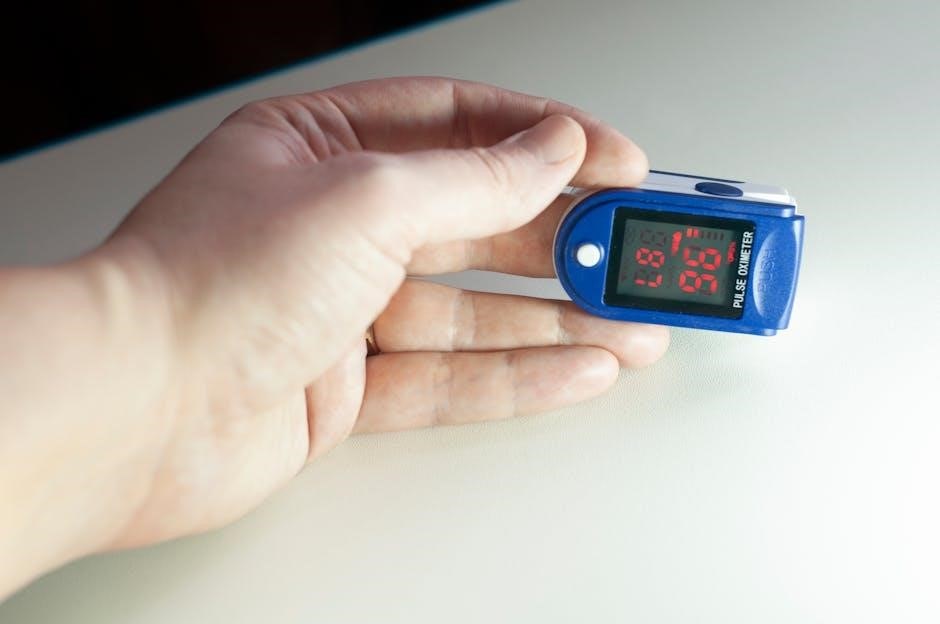
Nasal cannulas are commonly used for long-term therapy, delivering oxygen directly into the nostrils. Masks, conversely, provide a higher concentration of oxygen and are often preferred for acute situations or individuals requiring greater support. Ensure a secure and comfortable fit for optimal oxygen delivery.
The manual stresses the importance of using accessories specifically designed for use with portable oxygen concentrators. Regularly inspect cannulas and masks for damage or wear, replacing them as needed. Proper accessory selection and maintenance, as outlined in the manual, contribute to effective and safe oxygen therapy.

Maintenance and Care
Consistent maintenance is crucial for the Rhythm P2’s longevity and optimal performance. The user manual details a schedule of preventative care, emphasizing regular cleaning and filter replacements. Ignoring these steps can compromise the device’s efficiency and potentially impact oxygen delivery.
External surfaces should be wiped down with a damp cloth and mild detergent. Avoid harsh chemicals or abrasive cleaners, as these can damage the unit. The manual specifically addresses cleaning the humidifier bottle (if applicable) and ensuring all components are thoroughly dried before reassembly.
Adhering to the recommended maintenance schedule – outlined in the provided documentation – ensures the Rhythm P2 continues to deliver reliable oxygen therapy. Proper care not only extends the device’s lifespan but also safeguards the user’s health and well-being, maintaining consistent oxygen levels.
Cleaning the Rhythm P2
Regular cleaning of the Rhythm P2 is paramount for hygienic operation and sustained performance, as detailed in the user manual. Disconnect the device from power before initiating any cleaning procedures. The exterior casing should be wiped down with a soft, damp cloth using a mild, non-abrasive detergent.
Avoid direct water contact with the internal components. Pay particular attention to the air intake areas, ensuring they are free from dust and debris. The cannula connectors should also be cleaned regularly to prevent bacterial buildup. The manual may specify cleaning solutions suitable for these areas.
Thorough drying is essential before reassembling and operating the Rhythm P2. Improper drying can lead to malfunction or damage. Consistent adherence to the cleaning guidelines outlined in the manual will contribute to the device’s longevity and the user’s safety.
Filter Replacement
Maintaining optimal performance of the Rhythm P2 necessitates periodic filter replacement, as outlined in the device’s user manual. Filters safeguard the internal components from dust, pollen, and other airborne particles, ensuring consistent oxygen delivery. The recommended replacement frequency depends on the operating environment; more polluted areas require more frequent changes.
The manual provides detailed instructions on accessing and replacing the filters. Typically, this involves locating the filter compartment, removing the old filter, and inserting a new, compatible filter. Ensure the new filter is securely seated to prevent air leakage and maintain filtration efficiency.
Using non-approved filters can compromise the device’s functionality and potentially void the warranty. Regularly inspect the filter for discoloration or blockage as a visual indicator of replacement need. Proper filter maintenance is crucial for the Rhythm P2’s longevity and the user’s well-being.
Troubleshooting Common Issues
The Rhythm P2, like any medical device, may occasionally encounter operational hiccups. The user manual provides a dedicated troubleshooting section to address common concerns. Frequent issues include error codes, unusual noises, or reduced oxygen flow. Before seeking professional help, consult the manual’s guidance for potential self-resolution.

Error codes indicate specific malfunctions, and the manual details their meanings and suggested corrective actions. For instance, a battery error might necessitate charging or replacement. Reduced oxygen flow could stem from a clogged filter or incorrect flow setting. Unusual noises may signal internal component issues requiring servicing.
Always prioritize safety; if you are unable to resolve an issue using the manual’s instructions, contact a qualified technician. Do not attempt to disassemble or repair the device yourself, as this could void the warranty and potentially cause harm. Regular maintenance, as outlined in the manual, can prevent many issues.
Error Codes and Their Meanings
The Rhythm P2 utilizes a system of error codes to communicate internal issues, as comprehensively detailed within the user manual. These codes are crucial for diagnosing problems and ensuring proper functionality. Understanding these alerts allows for quicker troubleshooting and minimizes downtime.
Common error codes might include battery faults, signaling low charge, malfunction, or the need for replacement. Oxygen sensor errors indicate potential inaccuracies in oxygen delivery, requiring immediate attention. System errors suggest broader internal problems needing professional servicing. Flow rate errors point to discrepancies between the set and actual oxygen output.
The manual provides a complete list of codes, their specific meanings, and recommended actions. For example, a specific code might instruct you to check the filter, restart the device, or contact technical support. Ignoring error codes can lead to diminished performance or even device failure. Always refer to the manual for accurate interpretation and resolution steps.
Battery Performance and Management
Optimizing battery life is paramount for uninterrupted oxygen therapy with the Rhythm P2. The user manual provides detailed guidance on maximizing performance and extending battery longevity. Understanding charging protocols and usage habits significantly impacts overall battery health.

The Rhythm P2 typically utilizes lithium-ion batteries, sensitive to temperature and charging cycles. Avoid extreme temperatures during operation and storage. Frequent, shallow discharges are preferable to infrequent, deep discharges. The manual specifies recommended charging times and cautions against overcharging, which can degrade battery capacity.
Monitoring battery level is crucial, utilizing the device’s display. Regularly check for signs of diminished performance, such as reduced runtime. Proper storage when not in use – partially charged and in a cool, dry place – is also vital. Replacement batteries should be sourced from authorized providers to ensure compatibility and safety, as outlined in the manual.
Maximizing Battery Life
Extending the Rhythm P2’s battery life ensures consistent oxygen delivery during portable use. The user manual details several strategies for optimization, focusing on usage patterns and environmental factors. Implementing these techniques can significantly prolong runtime between charges.
Lower flow settings consume less power; adjust to the minimum therapeutic level prescribed by your physician. Avoid unnecessary operation when stationary or during periods of rest. Utilize pulse dose mode when appropriate, as it delivers oxygen only during inhalation, conserving battery power compared to continuous flow.
Temperature plays a critical role. Avoid exposing the device to extreme heat or cold, as this impacts battery efficiency. Store the Rhythm P2 in a cool, dry environment when not in use. Regularly check the battery’s health indicator and adhere to the recommended charging schedule outlined in the manual to maintain peak performance and longevity.
Safety Precautions
Prioritizing safety is paramount when using the Rhythm P2 portable oxygen concentrator. The user manual emphasizes several crucial guidelines to prevent hazards and ensure proper operation. Adhering to these precautions safeguards both the user and the device’s functionality.
Never operate the concentrator near open flames, flammable materials, or sources of ignition. Oxygen supports combustion, creating a significant fire risk. Ensure adequate ventilation during use to prevent oxygen enrichment of the surrounding air. Regularly inspect the cannula and tubing for cracks or damage, replacing them immediately if found.
Do not attempt to repair or modify the Rhythm P2 yourself. Unauthorized repairs can compromise safety and void the warranty. Always follow the manufacturer’s instructions for cleaning and maintenance. If you experience any unusual noises, smells, or malfunctions, discontinue use and contact a qualified service technician immediately.
Important Safety Guidelines
The Rhythm P2 portable oxygen concentrator requires strict adherence to safety guidelines for effective and secure use. The device is a medical tool, and improper handling can lead to serious health risks. Always consult your healthcare provider before initiating therapy with the Rhythm P2.
Ensure the concentrator is placed on a stable, level surface during operation. Avoid using the device in areas with high humidity or extreme temperatures. Never immerse the unit in water or expose it to excessive moisture. Regularly check the battery for signs of damage or swelling, and replace it according to the manufacturer’s recommendations.
Be mindful of potential electrical hazards. Use only the provided power adapter and ensure the outlet is properly grounded. Do not operate the concentrator with a damaged power cord. If you experience any discomfort or adverse reactions while using the device, discontinue use immediately and seek medical attention.
Travel with the Rhythm P2
Traveling with the Rhythm P2 requires careful planning and adherence to airline regulations. Before your journey, contact your airline to confirm their specific policies regarding portable oxygen concentrators, as these can vary significantly. Typically, airlines require prior notification and may request a medical certificate from your physician.
The Rhythm P2 is generally approved for in-flight use, but it’s crucial to verify compatibility with the aircraft’s power system. Ensure you have a fully charged battery and, if possible, a spare. Familiarize yourself with the FAA guidelines for portable oxygen concentrators, which outline permissible battery types and usage restrictions.

During travel, protect the device from damage and extreme temperatures. Keep the Rhythm P2 in its carrying case and avoid exposing it to direct sunlight or prolonged cold. Always have a copy of your prescription and the Rhythm P2’s user manual readily available for inspection.
Airline Regulations and Considerations
Navigating airline travel with the Rhythm P2 necessitates understanding and complying with specific regulations. The Federal Aviation Administration (FAA) has strict guidelines regarding the use of Portable Oxygen Concentrators (POCs) onboard aircraft. Prior to your flight, always contact the airline directly to confirm their acceptance of the Rhythm P2 and any required documentation.
Most airlines require a “Medical Equipment Release Form” completed by your physician, verifying the necessity of oxygen during the flight. This form typically details your oxygen flow rate and the duration of need. Battery limitations are also a key consideration; airlines often restrict the type and wattage of batteries permitted.
The Rhythm P2’s manual should be consulted for battery specifications. Ensure your battery meets FAA requirements. It’s advisable to carry a fully charged spare battery, adhering to airline guidelines for spare lithium batteries. Familiarize yourself with the airline’s policy on using the device during takeoff and landing, as these phases may have specific restrictions.
Warranty Information

The Rhythm P2 Portable Oxygen Concentrator is covered by a manufacturer’s warranty, designed to provide peace of mind and protect against defects in materials and workmanship. Carefully review the warranty documentation included with your device, as specific terms and conditions apply. Typically, the warranty period begins on the date of purchase or the date of shipment from the manufacturer.
The standard warranty generally covers repairs or replacement of defective parts, excluding items subject to normal wear and tear, such as cannulas and filters. Damage resulting from misuse, accidents, or unauthorized modifications is usually not covered. Maintaining proof of purchase, such as a receipt or invoice, is crucial for warranty claims.
To initiate a warranty claim, contact the manufacturer’s customer support team. They will guide you through the process, which may involve troubleshooting steps and potentially returning the device for evaluation. Refer to the Rhythm P2’s user manual for detailed contact information and warranty claim procedures. Extended warranty options may also be available for purchase.