jeans size guide
Navigating the world of jeans sizing can be surprisingly complex, with inconsistencies across brands and styles causing frustration for shoppers seeking the perfect fit․
Understanding these nuances is key to a successful denim purchase, ensuring both comfort and a flattering silhouette․
This guide aims to demystify the process, offering insights into why sizes vary and how to accurately determine your ideal jeans size․
The Challenge of Consistent Sizing
One of the most persistent frustrations for jeans shoppers is the lack of standardized sizing․ What you consider a size 30 in one brand could easily translate to a size 32, or even a 28, in another․ This inconsistency stems from a variety of factors, including differing manufacturing processes, target demographics, and even stylistic choices․
Historically, jeans sizing was more straightforward, based on actual waist and inseam measurements․ However, the introduction of “vanity sizing” – where brands intentionally label garments with smaller sizes to appeal to consumers – further complicated matters․ This practice, while seemingly positive, created a ripple effect of confusion and inconsistency across the industry․
Furthermore, the rise of fast fashion and global manufacturing has introduced even more variability․ Different factories, using different equipment and quality control standards, can produce jeans with significant size discrepancies․ Consequently, relying solely on a number on the label is often unreliable, making accurate measurement and understanding individual brand sizing charts crucial for a successful purchase․
Why Jeans Sizes Vary Between Brands
Several key factors contribute to the wide discrepancies in jeans sizing across different brands․ Each company often employs unique cut and fit philosophies, influencing how their garments are designed and manufactured․ Some brands prioritize a slimmer, more fitted silhouette, while others favor a relaxed or looser style, directly impacting the numerical size assigned․
Target customer demographics also play a significant role․ Brands catering to younger audiences might utilize vanity sizing more aggressively, while those focused on a more mature market may adhere to more traditional measurements․ Manufacturing locations and the specific factories used can introduce variations due to differing equipment calibration and quality control procedures․
Additionally, fabric composition and stretch influence sizing․ Jeans with a higher percentage of elastane or other stretch fibers may be sized differently than those made from rigid denim․ Ultimately, each brand establishes its own internal sizing standards, leading to the frustrating inconsistency experienced by consumers․
Understanding Vanity Sizing
Vanity sizing is a common practice within the fashion industry, where brands intentionally label garments with a smaller size than their actual measurements․ This tactic aims to appeal to consumers’ desire to wear smaller sizes, boosting sales and enhancing perceived body image․ While seemingly harmless, it contributes significantly to the confusion surrounding jeans sizing․
The practice emerged as a marketing strategy, recognizing that customers are more likely to purchase items labeled with a lower number․ Consequently, a size 28 in one brand might equate to a size 30 or even 32 in another, despite having similar waist measurements․ This makes relying solely on the tag misleading․
It’s crucial to remember that vanity sizing isn’t about actual body size changes, but rather a manipulation of labeling․ Focusing on precise measurements—waist, hip, and inseam—rather than the numerical size is the most reliable approach to finding well-fitting jeans, bypassing the illusion of vanity sizing․
Decoding Women’s Jeans Sizes
Women’s jeans sizing typically relies on waist and hip measurements, alongside inseam length, requiring careful attention to detail for an accurate and comfortable fit․
Waist Size Measurement
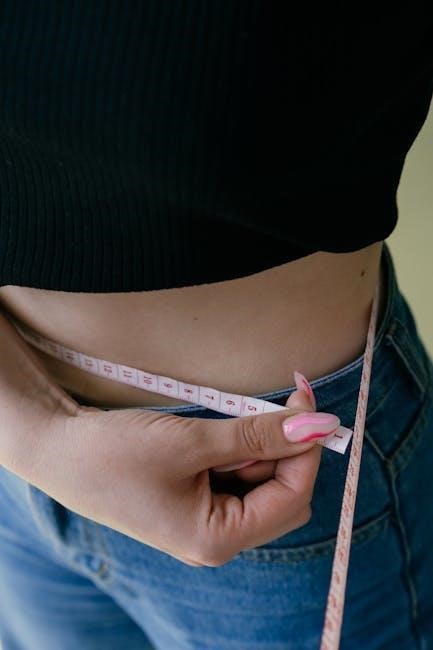
Accurately measuring your waist is the foundational step in finding well-fitting jeans․ Use a flexible measuring tape, ensuring it’s comfortably snug – not too tight, and not loose․ Position the tape around your natural waistline, which is generally the narrowest part of your torso, typically located about an inch above your belly button․
Stand naturally and exhale normally while taking the measurement; avoid sucking in your stomach, as this will result in an inaccurate size․ Record the measurement in inches․ It’s crucial to remember that jeans waist sizes often differ from your actual waist measurement․
Many brands utilize “vanity sizing,” meaning the label may indicate a smaller size than the actual measurement․ Therefore, always consult the specific brand’s size chart․ If your measurement falls between sizes, it’s generally recommended to size up for a more comfortable fit, especially with rigid denim․ Consider the rise of the jeans as well; a higher rise will sit at your natural waist, while a lower rise will sit below․
Hip Size Measurement
Measuring your hips is essential, particularly for jeans styles that fit closer to the body, like skinny or slim-fit jeans․ Use a flexible measuring tape and stand with your feet together․ Wrap the tape around the fullest part of your hips and buttocks, ensuring the tape is level all the way around your body․
Similar to waist measurement, the tape should be comfortably snug, not tight or loose․ Exhale normally and record the measurement in inches․ This measurement, combined with your waist size, will help determine the most appropriate jeans size and fit for your body shape․
Pay attention to how different cuts of jeans will interact with your hip measurement․ Bootcut or flared jeans may require more room in the hip area for a comfortable fit, while straight-leg jeans offer a more balanced silhouette․ Always refer to the brand’s specific size chart, as hip measurements can vary significantly between manufacturers․
Inseam Measurement
The inseam measurement determines the length of the jeans, crucial for achieving a flattering and comfortable fit․ To measure your inseam, stand straight with your shoes on – the shoes you intend to wear with the jeans․ Use a measuring tape and measure from the crotch (where your legs meet) down to the bottom of your ankle bone․
It’s helpful to have a friend assist with this measurement for accuracy․ Ensure the tape measure is straight and follows the inside of your leg․ This measurement is particularly important when purchasing jeans online, as lengths can vary significantly between brands and styles․
Consider your preferred style when choosing an inseam length․ Shorter inseams work well with ankle boots or sneakers, while longer inseams are ideal for wearing with heels or taller footwear․ Remember to check the brand’s size guide for specific inseam lengths offered․
Women’s Jeans Size Chart (US)
Here’s a general guide to US women’s jeans sizing, though remember variations exist between brands․ Waist sizes are typically listed in inches, while letter sizes (e․g․, 26, 28, 30) often correspond to waist measurements․ A size 26 generally equates to a 26-inch waist, and so on․
Common US women’s jeans sizes range from 24 to 36 (and beyond), with inseam lengths varying from 30 to 34 inches, though shorter and longer lengths are available․ A typical size breakdown might look like this: Size 24 – Waist 24”, Size 26 – Waist 26”, Size 28 – Waist 28”, Size 30 – Waist 30”, and Size 32 – Waist 32”․
Always consult the specific brand’s size chart, as sizing can differ․ Some brands run small, while others run large․ Pay attention to both waist and inseam measurements to ensure the best possible fit․ Consider your hip measurement as well, especially for fitted styles․
Women’s Jeans Size Chart (UK)
Understanding UK women’s jeans sizing requires a slight conversion from US standards․ UK sizes are generally two sizes smaller than their US counterparts․ For example, a US size 28 often translates to a UK size 26․ Waist sizes are typically indicated by numbers, representing the waist measurement in inches, but can also be shown as a numerical size (e․g․, 8, 10, 12)․
Common UK women’s jeans sizes range from 8 to 16 (and beyond), with inseam lengths similar to US sizes, generally between 30 and 34 inches․ A typical size conversion might be: UK 8 – Waist 26”, UK 10 – Waist 28”, UK 12 – Waist 30”, UK 14 – Waist 32”, and UK 16 – Waist 34”․
Always refer to the brand’s specific size guide, as variations are common․ Checking the waist and inseam measurements is crucial for a comfortable and flattering fit․ Remember to account for stretch denim when selecting your size․
Women’s Jeans Size Chart (EU)
European (EU) women’s jeans sizing differs from both US and UK standards, adding another layer of complexity to finding the perfect fit․ EU sizes are generally smaller than US sizes, and often differ from UK sizes as well․ Waist measurements are typically given in centimeters (cm), rather than inches․ A common EU size range is 36 to 46, though this can vary by brand․
A rough conversion guide suggests: EU 36 – Waist 26” (66cm), EU 38 – Waist 28” (71cm), EU 40 – Waist 30” (76cm), EU 42 – Waist 32” (81cm), and EU 44 – Waist 34” (86cm)․ Inseam lengths are similar to those found in US and UK sizing, usually ranging from 30 to 34 inches․
It’s vital to consult each brand’s individual size chart, as discrepancies are frequent․ Prioritize checking both waist and inseam measurements for optimal comfort and fit, especially with stretch denim variations․

Decoding Men’s Jeans Sizes
Men’s jeans sizing primarily focuses on waist and inseam measurements, typically expressed in inches․ Understanding these measurements is crucial for achieving a comfortable and well-fitting pair of jeans․
Waist Size Measurement (Men)
Accurately measuring your waist is the foundational step in finding the right men’s jeans size․ Do not rely on your usual pants size, as variations between brands are common․ Use a flexible measuring tape and measure around your natural waistline – this is generally the narrowest part of your torso, typically located about an inch above your belly button․
Ensure the tape measure is snug but not tight, and that it sits level all the way around․ Breathe normally during the measurement; avoid sucking in your stomach or expanding your chest․ Record the measurement in inches․
It’s helpful to have a friend assist you for greater accuracy․ If you’re measuring yourself, stand in front of a mirror to ensure the tape is positioned correctly․ Remember that many jeans sizes are labeled with a numerical value (e․g․, 32, 34, 36), which corresponds to your waist measurement in inches․
For example, a 32-inch waist requires jeans labeled as size 32․ Always consult the specific brand’s size chart, as slight discrepancies can occur․
Inseam Measurement (Men)
Determining your inseam is crucial for achieving the desired jeans length․ This measurement dictates how the jeans will fall on your shoes․ The most accurate way to measure your inseam is while wearing shoes similar to those you’ll typically pair with jeans․
Have a friend measure from the crotch seam down the inside of your leg to where you want the jeans to end on your shoe – typically at the top of the shoe or with a slight break․ Alternatively, you can measure a well-fitting pair of pants․
Lay the pants flat and measure from the crotch seam to the hem․ Record this measurement in inches․ Common inseam lengths range from 30 to 34 inches, but can vary depending on height and preference․
Remember that different jeans styles (e․g․, bootcut, skinny) may require slightly different inseam lengths for optimal fit․ Always refer to the brand’s size chart for specific recommendations․
Men’s Jeans Size Chart (US)
Understanding the US men’s jeans size chart requires correlating waist and inseam measurements․ Waist sizes are typically indicated in inches, while inseam lengths also use inches․ A common starting point is that a 32-inch waist often corresponds to a size 32, but this isn’t universally true․
Here’s a general guideline, though brand variations exist:
- Waist: 28” – Size 28
- Waist: 30” – Size 30
- Waist: 32” – Size 32
- Waist: 34” – Size 34
- Waist: 36” – Size 36
Inseam lengths are then added to the waist size (e․g․, 32×30 means a 32-inch waist and a 30-inch inseam)․ It’s crucial to consult each brand’s specific chart, as sizing can differ significantly․ Some brands may use numerical sizes (e․g․, 0, 1, 2) corresponding to waist measurements․ Always prioritize measuring yourself and comparing to the brand’s chart for the best fit․
Men’s Jeans Size Chart (UK)

The UK men’s jeans size chart differs from US sizing, often utilizing both waist size in inches and a numerical size system․ Understanding this conversion is vital for accurate online purchases or when shopping from UK brands․ Typically, a UK size 2 is equivalent to a US size 0, and a UK size 4 corresponds to a US size 2․
Here’s a general guideline, acknowledging brand variations:
- Waist: 28” – Size 2
- Waist: 30” – Size 4
- Waist: 32” – Size 6
- Waist: 34” – Size 8
- Waist: 36” – Size 10
Like US sizing, inseam lengths are added to the waist/numerical size (e․g․, 32R/30L)․ “R” denotes regular, and “L” denotes long inseam․ Always check the specific brand’s size guide, as discrepancies are common․ Prioritizing accurate waist measurement and comparing it to the brand’s chart ensures a better fit and reduces the likelihood of returns․

Men’s Jeans Size Chart (EU)
European men’s jeans sizing primarily utilizes centimeters for waist measurements, though conversions to inches are often provided․ Unlike the US and UK systems, EU sizing doesn’t rely heavily on numerical designations, focusing instead on precise waist circumference․ It’s crucial to measure your waist accurately in centimeters for the best results․
Here’s a general approximation, recognizing brand-specific variations:
- Waist: 76 cm (30”) – Size 48
- Waist: 81 cm (32”) – Size 50
- Waist: 86 cm (34”) – Size 52
- Waist: 91 cm (36”) – Size 54
- Waist: 97 cm (38”) – Size 56
Inseam lengths are typically indicated separately in centimeters․ Always consult the individual brand’s size chart, as EU sizing can differ․ Prioritizing a precise waist measurement in centimeters and cross-referencing it with the brand’s guide will significantly improve your chances of finding a well-fitting pair of jeans․

Jeans Fit & Style Guide
Different jean fits dramatically alter the overall look and feel; understanding these styles – skinny, straight, bootcut, relaxed – is vital for selecting jeans that complement your body type․
Skinny Jeans Fit
Skinny jeans are characterized by their close-fitting silhouette throughout the leg, from hip to ankle, creating a streamlined and modern aesthetic․ Achieving the right fit with skinny jeans is crucial, as they emphasize the body’s shape․

Consider the fabric composition; a higher percentage of stretch denim (like elastane or spandex) will offer more give and comfort, accommodating a wider range of body types․ However, too much stretch can lead to a loss of shape throughout the day․
When trying on skinny jeans, ensure you can comfortably bend and move without feeling overly restricted․ A snug, but not painfully tight, fit is ideal․ Pay attention to the waistband – it should sit securely without digging in․ Look for a rise that complements your torso length; high-waisted styles can elongate the legs, while mid-rise options offer a classic look․ Avoid styles that gape at the waistband or create bunching at the ankles․
Straight Leg Jeans Fit
Straight leg jeans offer a classic and versatile fit, maintaining a consistent width from the hip to the ankle․ This timeless style is flattering on most body types and provides a comfortable, balanced silhouette․ Finding the right straight leg jean hinges on achieving a clean line without excessive tightness or looseness;
Look for a pair that skims the body without clinging․ The jeans should fall straight down from the knee, without tapering or flaring; Pay attention to the rise; a mid-rise is generally the most universally flattering, but high-rise and low-rise options can also work depending on your preference and body shape․
Ensure the waistband sits comfortably on your waist without gaping or digging in․ The length should be appropriate for your preferred footwear – slightly breaking over boots or sneakers, or cropped for a more modern look․ A well-fitting pair of straight leg jeans should feel effortless and easy to wear․
Bootcut Jeans Fit
Bootcut jeans are characterized by a slight flare from the knee down, designed to accommodate boots – hence the name! This style balances the hips and thighs, creating a lengthening effect and a flattering silhouette․ Achieving the right bootcut fit requires careful consideration of both the rise and the flare․
The flare should be subtle, starting below the knee, and wide enough to comfortably fit over your boots without feeling constricted․ A mid-rise is often the most flattering, providing a comfortable fit and highlighting the waist․ However, higher rises can elongate the legs, while lower rises offer a more relaxed vibe․
Ensure the waistband fits snugly without gaping, and the length is appropriate for your boots – typically long enough to cover a portion of the boot․ A well-fitted pair of bootcut jeans should create a balanced and proportional look, enhancing your overall style․
Relaxed Fit Jeans
Relaxed fit jeans offer a comfortable and easy-going style, prioritizing ease of movement over a body-hugging silhouette․ These jeans typically feature a looser fit through the seat, thigh, and leg, providing ample room without appearing overly baggy․ Finding the right relaxed fit involves balancing comfort with a flattering shape․
Unlike slimmer fits, relaxed jeans don’t necessarily require precise sizing; a slightly looser fit is expected․ However, it’s crucial to avoid sizes that are too large, as this can lead to a sloppy appearance․ Pay attention to the rise – a mid-rise often works well, providing a comfortable and balanced look․

The key is to choose a pair that skims the body without being restrictive․ Consider the fabric weight; heavier denim will maintain its shape better, while lighter denim may stretch out with wear․ A well-fitted relaxed jean is perfect for casual everyday wear, offering both style and comfort․
Converting Between Jeans Sizes
Accurate conversions are essential when shopping for jeans internationally, as sizing standards differ significantly between US, UK, and EU measurements․
US to UK Jeans Size Conversion
Converting from US to UK jeans sizes requires a simple adjustment, but it’s crucial for online purchases or when shopping from British brands․ Generally, a US men’s size 25 equates to a UK size 2, and a US size 26 corresponds to a UK size 3․ This pattern continues, with each US size increasing by two typically translating to a one-size increase in the UK system․
For women, the conversion is similarly straightforward․ A US size 24 often translates to a UK size 8, while a US size 26 is usually a UK size 10․ However, it’s important to remember that these are averages, and variations can occur․ Always consult the specific brand’s size chart when possible, as some brands may deviate slightly from these standard conversions․
Considering that sizing can be inconsistent, it’s always a good idea to double-check measurements and read customer reviews to get a better understanding of how a particular brand’s UK sizes run compared to US sizes․ This proactive approach can help avoid the hassle of returns and ensure a perfect fit․
US to EU Jeans Size Conversion
Converting US jeans sizes to European (EU) sizes demands attention to detail, as the system differs significantly․ Generally, US men’s sizes need a conversion factor of approximately 16 to arrive at the EU equivalent․ For instance, a US size 30 often corresponds to an EU size 48, while a US size 32 typically translates to an EU size 50․ This isn’t a strict rule, however, and variations exist;
For women, the conversion is also nuanced․ A US size 26 often equates to an EU size 36, and a US size 28 usually corresponds to an EU size 38․ Again, these are approximate values, and brand-specific size charts are invaluable․ It’s crucial to remember that EU sizing often focuses on waist circumference in centimeters, adding another layer of complexity․
Always prioritize checking the brand’s individual size guide, as discrepancies are common․ Customer reviews can also provide valuable insights into how accurately a brand’s EU sizes align with standard US measurements, minimizing potential fit issues․
UK to EU Jeans Size Conversion
Converting UK jeans sizes to European (EU) sizes requires careful consideration, as the systems aren’t directly interchangeable․ Typically, UK men’s sizes are two sizes smaller than their EU counterparts․ For example, a UK size 32 often equates to an EU size 46, and a UK size 34 generally corresponds to an EU size 48․ However, this is a guideline, and brand variations are frequent․
For women, the conversion also presents challenges․ A UK size 10 often translates to an EU size 38, while a UK size 12 typically aligns with an EU size 40․ It’s important to note that EU sizing often utilizes waist measurements in centimeters, adding another layer of complexity to the process․
Always consult the specific brand’s size chart for the most accurate conversion․ Reading customer reviews can also offer valuable insights into how a brand’s EU sizes compare to standard UK measurements, helping to avoid sizing errors․
Additional Considerations
Beyond basic measurements, factors like denim stretch, rise height, and individual body shape significantly impact jeans fit․ Consider these elements for optimal comfort and style․
Stretch Denim and Sizing
Stretch denim, incorporating elastane or spandex, introduces another layer of complexity to jeans sizing․ Unlike rigid denim, stretch fabrics conform to the body, potentially allowing for a more forgiving fit․ However, this also means that jeans can stretch out with wear, especially in high-stress areas like the waist and thighs․
When purchasing stretch denim, it’s often recommended to size down from your usual size, particularly if the denim has a high stretch percentage (over 2%)․ This accounts for the fabric’s tendency to loosen throughout the day․ Conversely, if the stretch content is minimal, sticking to your regular size might be preferable․
Always consider the specific blend of fibers․ A higher cotton content with a small percentage of stretch will retain more of its shape, while a higher elastane content will offer greater flexibility but may stretch out more noticeably․ Trying on jeans and moving around is crucial to assess the fit and ensure they remain comfortable even after some stretching occurs․
Rise (High-Waisted, Mid-Rise, Low-Rise) Impact on Fit
The rise of jeans – whether high-waisted, mid-rise, or low-rise – significantly impacts how they fit and feel․ This measurement refers to the distance from the crotch seam to the top of the waistband․ Different rises accentuate different body shapes and can alter perceived waist size․
High-waisted jeans typically sit at or above the natural waist, offering more coverage and a slimming effect․ They often require a slightly larger size, as they can feel more constricting at the waist․ Low-rise jeans, sitting below the natural waist, may feel more comfortable for some but can create a gapping issue at the back if not properly fitted․
Mid-rise jeans offer a balance between the two, sitting around the hip bones․ When trying on jeans, consider your torso length; a shorter torso may benefit from a mid or high-rise, while a longer torso can accommodate a low-rise more comfortably․ Always prioritize a fit that feels secure and doesn’t require constant adjusting․
Finding Jeans for Different Body Types
Selecting jeans that flatter your unique body shape is crucial for both comfort and confidence․ Understanding your body type allows you to prioritize specific fits and styles․ For hourglass figures, high-waisted or mid-rise styles with a contoured waistband emphasize curves․
Pear shapes benefit from styles that balance wider hips, such as bootcut or flared jeans, which create a proportional silhouette․ Apple shapes can opt for mid-rise, straight-leg jeans to create a streamlined look․ Rectangle shapes can experiment with various fits, adding volume with details like pockets or washes․
Petite frames should consider cropped lengths or styles with a smaller rise to avoid overwhelming the figure; Taller individuals can confidently wear longer inseams and wider leg openings․ Ultimately, prioritize a comfortable fit that makes you feel good, regardless of conventional “rules․”