
goodman gsx16 installation manual pdf
Goodman GSX16 Installation Manual PDF: A Comprehensive Plan
Goodman GSX16 condensing units require the installation, operation, and troubleshooting information found in Service Manual RS6200006. This PDF provides a detailed plan for qualified HVAC technicians.
The Goodman GSX16 is a high-efficiency condensing unit designed for residential heating and cooling applications. Often referred to as a “full air system” or a “mini-split” in some contexts, particularly in commercial installations, it’s known for its cost-effectiveness and reliable performance. This unit is a popular choice in the US market for both new installations and replacements.
This series, detailed within the GSX16 installation manual, utilizes a single-stage compressor and is compatible with a wide range of indoor air handlers. The system’s design focuses on delivering comfortable temperatures while maintaining energy efficiency. Proper installation is crucial for optimal operation and longevity, and technicians should always refer to manual RS6200006 for comprehensive guidance.

The Goodman brand emphasizes accessibility and ease of service, making the GSX16 a practical solution for homeowners and installers alike. Understanding the system’s components and following the outlined procedures in the installation instructions are paramount for a successful setup. Furthermore, the manual details specific considerations for airflow and system charging.
Understanding the GSX16 SEER Rating
The GSX16 designation indicates a Seasonal Energy Efficiency Ratio (SEER) rating of 16. This rating signifies the unit’s cooling efficiency, representing the ratio of cooling output over a typical cooling season to the electrical energy consumed during that period. A higher SEER rating translates to greater energy savings and reduced utility costs for the homeowner.

The Goodman GSX16 installation manual, specifically manual RS6200006, provides detailed information on optimizing the system for its rated efficiency. Factors influencing SEER performance include proper refrigerant charge, adequate airflow, and correct ductwork sizing. Incorrect installation can significantly diminish the unit’s efficiency, negating the benefits of its 16 SEER rating.
Technicians must adhere to the installation instructions regarding system charge procedures to ensure optimal performance. The manual emphasizes the importance of final charge adjustments based on operating conditions. Understanding the SEER rating and its implications is crucial for both installers and consumers seeking energy-efficient cooling solutions from the Goodman brand.
Safety Precautions for Installation
Installation of the Goodman GSX16 requires strict adherence to safety protocols, as outlined in Service Manual RS6200006. This unit contains high-voltage components and pressurized refrigerant, presenting potential hazards. Only qualified, professionally trained HVAC technicians should undertake this installation.
Goodman explicitly states it assumes no responsibility for property damage or personal injury resulting from improper installation. Technicians must disconnect all electrical power before commencing work. Wear appropriate personal protective equipment (PPE), including safety glasses, gloves, and work boots. Refrigerant handling requires EPA certification and compliance with all relevant regulations.
The manual warns against modifying the unit or using non-approved components. Proper grounding is essential to prevent electrical shock. Exercise caution when handling sharp edges on the unit’s casing. Always follow local codes and regulations. Review all safety warnings within the installation manual before beginning any procedure to ensure a safe and compliant installation process.
Required Tools and Materials
Successful installation of the Goodman GSX16 necessitates a comprehensive set of tools and materials. Referencing Service Manual RS6200006 is crucial for a complete list, but core requirements include standard HVAC tools: refrigerant gauges, vacuum pump, nitrogen regulator, tube cutter, flaring/swaging tools, and a leak detector.
Electrical tools are also essential – wire strippers, voltmeter, and appropriate connectors. A saddle wrench is needed for refrigerant line connections. Materials will encompass refrigerant tubing (correct size for the system), silver solder, flux, nitrogen for purging lines, electrical wiring, and appropriate fittings.
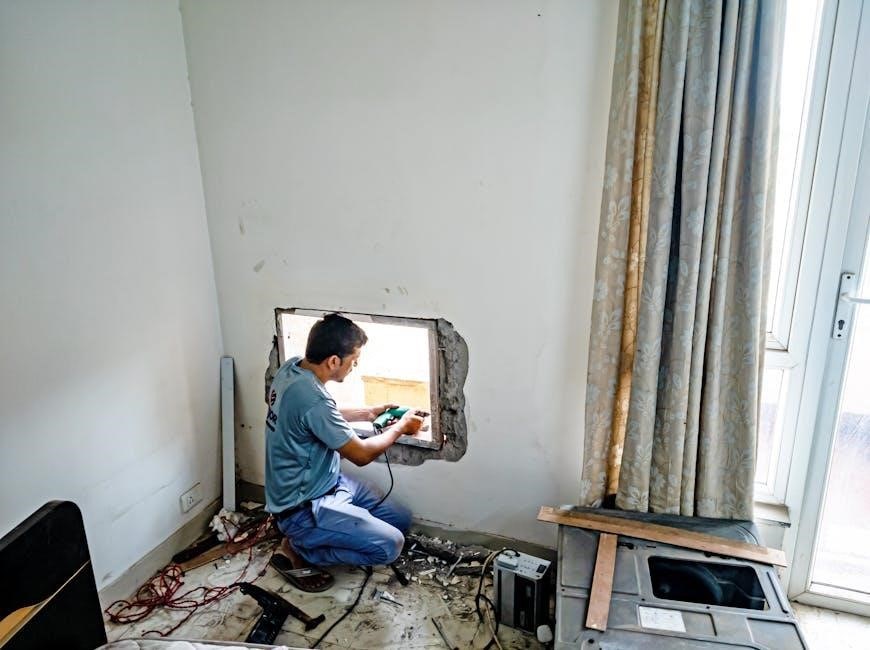
Depending on the installation, additional materials like insulation, mounting hardware, condensate drain components, and thermostat wiring may be required. Ensure all materials meet Goodman’s specifications and local code requirements. Having a fully stocked toolkit and the correct materials beforehand streamlines the installation process and minimizes delays.
Unpacking and Inspection

Upon receiving the Goodman GSX16 unit, carefully unpack it and thoroughly inspect for any shipping damage. This initial step, detailed within Service Manual RS6200006, is vital for identifying potential issues before installation. Check for dents, scratches, or any visible signs of mishandling on the unit’s casing and components.
Verify that all listed components are present, referencing the packing list. Inspect the refrigerant lines, fan blades, and electrical connections for damage or looseness. Document any discrepancies or damage immediately with photographs and notify the carrier and Goodman.
Do not attempt to operate a damaged unit. Proper documentation is crucial for filing claims. Ensure the unit’s serial number matches the documentation. A meticulous unpacking and inspection process safeguards against future complications and ensures a smooth installation, adhering to Goodman’s quality standards.
Checking System Compatibility
Before commencing installation of the Goodman GSX16, verifying system compatibility is paramount, as outlined in Service Manual RS6200006. Ensure the existing indoor unit (air handler or furnace) is appropriately sized for the GSX16’s cooling capacity. Mismatched systems can lead to inefficiency and premature component failure.
Confirm the voltage and electrical characteristics of the indoor unit align with the GSX16’s requirements. Check the refrigerant lineset size to guarantee compatibility with the unit’s design. Improper sizing can hinder performance and potentially damage the compressor.
Assess the existing ductwork for leaks and adequate airflow. Insufficient or leaky ductwork diminishes system efficiency. The installation must adhere to local codes and regulations. A thorough compatibility check, guided by the manual, ensures optimal performance and longevity of the Goodman system.
Installation Location Considerations

Selecting an appropriate installation location for the Goodman GSX16 is crucial for optimal performance and longevity, as detailed in Service Manual RS6200006. The unit requires ample clearance for proper airflow – maintaining specified distances from walls, fences, and other obstructions is vital.
Ensure the location provides a stable, level surface capable of supporting the unit’s weight. Avoid areas prone to flooding or excessive moisture. Consider sun exposure; excessive sunlight can reduce cooling efficiency. Protect the unit from harsh weather conditions like snow and ice accumulation.
Accessibility for servicing and maintenance is paramount. Technicians need unobstructed access to all components. The location should also minimize noise transmission to neighboring properties. Adhering to these considerations, as outlined in the manual, guarantees efficient operation and minimizes potential issues with your Goodman system.
Electrical Connections
Electrical connections for the Goodman GSX16, thoroughly detailed in Service Manual RS6200006, demand strict adherence to local and national electrical codes. Before commencing any wiring, always disconnect power at the main breaker to prevent electrical shock. Verify the supply voltage matches the unit’s specifications – incorrect voltage can cause severe damage.
Use appropriately sized wiring and overcurrent protection devices. Ensure all connections are tight and secure, utilizing proper connectors and techniques. Grounding is critical for safety; a dedicated grounding conductor must be connected to the unit’s grounding terminal.
Follow the wiring diagrams provided in the manual precisely. Incorrect wiring can lead to malfunction or fire hazards. Double-check all connections before restoring power. Proper electrical installation, as guided by the manual, is essential for safe and reliable operation of your Goodman system.
Refrigerant Line Installation
Refrigerant line installation for the Goodman GSX16, as outlined in Service Manual RS6200006, requires meticulous attention to detail to ensure optimal system performance and prevent leaks. Use only the specified refrigerant type – improper refrigerant can damage the compressor and void the warranty.
Properly size the refrigerant lines according to the installation manual’s specifications, considering the length and elevation difference between the indoor and outdoor units. Carefully bend and cut the lines, avoiding kinks or sharp bends that could restrict refrigerant flow.
Before brazing, thoroughly purge the lines with nitrogen to prevent oxidation inside the tubing. Ensure all brazed joints are leak-tested using a suitable refrigerant leak detector. Vacuum the system to a deep vacuum, as detailed in the manual, before charging with refrigerant. Following these steps guarantees a leak-free and efficient system.
Condensate Drain Installation
Condensate drain installation for the Goodman GSX16, detailed in Service Manual RS6200006, is crucial for preventing water damage and maintaining indoor air quality. A properly installed drain line ensures efficient removal of condensation produced during cooling operation.
The manual specifies using appropriately sized PVC pipe or other approved materials for the condensate drain line. Ensure the line has a continuous downward slope from the indoor unit to a suitable drain location, avoiding sags or traps where water can accumulate and foster mold growth.
A trap should be installed near the indoor unit to prevent air from being drawn into the system. Regularly inspect and clean the drain line to prevent clogs. Consider installing a safety float switch to shut down the system if the drain line becomes blocked, preventing water overflow and potential damage.

Airflow Setup and Adjustment
Airflow setup and adjustment are critical steps in Goodman GSX16 installation, thoroughly covered in Service Manual RS6200006. Proper airflow ensures optimal system performance, efficiency, and comfort. Incorrect airflow can lead to reduced cooling capacity, increased energy consumption, and potential equipment damage.
The manual provides detailed airflow tables for various indoor unit models and ductwork configurations. Technicians must verify that the actual airflow matches the manufacturer’s specifications. Adjustments can be made by modifying blower speed settings or adjusting dampers in the ductwork.
Static pressure measurements are essential for accurate airflow assessment. The manual outlines the correct procedures for measuring static pressure and interpreting the results. Ensure adequate return air is available to the indoor unit to prevent negative pressure and ensure efficient operation. Proper airflow contributes to even temperature distribution throughout the conditioned space.
Control Wiring and Thermostat Connection
Control wiring and thermostat connection for the Goodman GSX16 are detailed in Service Manual RS6200006. Correct wiring is crucial for proper system operation and communication between components. Technicians must adhere strictly to the wiring diagrams provided in the manual.
The manual specifies the appropriate wire colors and terminal designations for connecting the thermostat to the indoor unit. Pay close attention to the wiring for the cooling, heating, and fan functions. If a communicating thermostat is used, refer to its installation manual for specific wiring instructions and dipswitch settings.
Ensure all connections are secure and properly insulated. Incorrect wiring can cause system malfunctions, damage to components, or even safety hazards. Verify the thermostat is programmed correctly for the specific system configuration. Proper control wiring ensures seamless operation and maximizes system efficiency.
System Charging Procedures
System charging procedures for the Goodman GSX16 are critically outlined in Installation Instructions and Service Manual RS6200006. Accurate refrigerant charge is essential for optimal performance and efficiency. Technicians must follow the specified procedures meticulously.
The manual details the correct refrigerant type and quantity for the specific GSX16 model. It emphasizes the importance of using calibrated gauges and following the superheat and subcooling targets. Final Charge Procedure adjustments are necessary to ensure proper operation under varying conditions.
Technicians should carefully weigh the refrigerant charge, avoiding overcharging or undercharging. Overcharging can lead to high head pressure and compressor damage, while undercharging reduces cooling capacity. Proper evacuation of the system before charging is also crucial. Adhering to these procedures guarantees efficient and reliable operation of the Goodman unit.
Final System Check and Testing
Final System Check and Testing, as detailed in the Goodman GSX16 Installation Manual and Service Manual RS6200006, is paramount for ensuring proper functionality. A comprehensive assessment confirms the unit operates within specified parameters.
This includes verifying all electrical connections are secure and correctly wired, checking refrigerant levels against the manufacturer’s specifications, and confirming proper airflow across the evaporator and condenser coils. Technicians must test the thermostat operation and ensure accurate temperature control.
The manual instructs to measure supply and return air temperatures, assess static pressure, and inspect the condensate drain for leaks. A thorough visual inspection for any potential issues, like loose wiring or damaged components, is also vital. Successful completion of these tests guarantees optimal performance and longevity of the Goodman system.
Troubleshooting Common Issues
The Goodman GSX16 Installation Manual PDF, specifically Service Manual RS6200006, dedicates a section to resolving frequently encountered problems. Common issues include insufficient cooling, unusual noises, or system failures. Technicians should first verify proper electrical supply and thermostat settings.
Refrigerant leaks are addressed with leak detection procedures and proper recharging techniques outlined in the manual. Airflow restrictions, often caused by dirty filters or blocked ducts, require inspection and cleaning. Troubleshooting also covers diagnosing issues with the compressor, fan motor, and control board.
The manual provides diagnostic flowcharts and error code interpretations to pinpoint the root cause of the problem. Always refer to the safety precautions before attempting any repairs. Proper diagnosis and adherence to the Goodman recommended procedures are crucial for effective and safe resolution of these common issues.
Understanding the Service Manual RS6200006
Service Manual RS6200006 is the definitive guide for the Goodman GSX16, encompassing installation, operation, and detailed troubleshooting procedures. This manual is specifically intended for qualified, professionally trained HVAC technicians, and Goodman disclaims responsibility for damage resulting from unqualified use.
Within its pages, technicians will find comprehensive wiring diagrams, component locations, and detailed explanations of system functions. It outlines precise procedures for system charging, airflow adjustments, and electrical connections. The manual also includes extensive diagnostic charts to aid in identifying and resolving system malfunctions.
Crucially, RS6200006 details safety precautions that must be followed during all phases of service. It provides specifications for replacement parts and explains the EEP cooling time delay feature. Accessing and thoroughly understanding this manual is paramount for proper GSX16 maintenance and repair.
Goodman Brand and Amana Brand Information
Goodman and Amana are both respected brands under the same corporate umbrella, offering a range of HVAC solutions. While the GSX16 installation manual focuses specifically on Goodman branded units, many principles and components are shared across both brands.

Technicians familiar with Amana systems will find considerable overlap in service procedures and parts identification. Both brands prioritize reliability and efficiency, and the manual RS6200006 reflects this commitment to quality. Understanding this relationship can streamline diagnostics and repairs for technicians working with either brand.
The Goodman brand often emphasizes value and affordability, while Amana may focus on premium features and extended warranties. However, the core technology and installation techniques detailed in the GSX16 manual are largely applicable to comparable Amana models. Referencing both brands’ documentation can provide a more complete understanding of system operation.

Accessing Installation Instructions
The primary source for detailed GSX16 installation instructions is Service Manual RS6200006. This comprehensive PDF document is crucial for qualified HVAC technicians performing the installation. It’s essential to obtain the correct manual version to ensure compatibility with the specific unit model.
Goodman’s official website provides access to a library of product documentation, including installation manuals. Searching for “GSX16” or “RS6200006” will typically yield the desired PDF. Alternatively, many HVAC distributors offer downloadable manuals for Goodman products.
Technicians should verify the manual’s revision date to confirm they have the most up-to-date installation guidelines. Always prioritize the information contained within the official manual over any third-party sources. Proper installation is vital for system performance and longevity, making access to accurate instructions paramount.
Resources for Further Assistance
Beyond the GSX16 Installation Manual (RS6200006), several resources offer support. Goodman’s official website provides a contact form for technical support inquiries, allowing direct communication with their team. Many HVAC distributors also offer technical assistance to professionals.
Online HVAC forums and communities can be valuable for troubleshooting and sharing experiences with the GSX16. However, always verify information found in forums with the official installation manual. Goodman and Amana brands often share resources, so exploring both websites can be beneficial.
Professional HVAC training programs frequently cover Goodman equipment installation and service. Consider enrolling in relevant courses to enhance your expertise. Remember to prioritize safety and adhere to all local codes and regulations during installation and maintenance. Utilizing these resources ensures a successful and compliant installation.